
Open vs. Guided vs. Flexible: How to Choose the Right Method of Journal or Diary Study in Market Research
Key takeaways
- Choose an open journal when you are exploring and don’t yet know what matters; it gives rich stories that are harder to compare.
- Choose a guided journal when your questions are defined and you need comparable answers across participants, segments or time periods.
- Choose a flexible journal when you need both: scheduled prompts for consistency plus room for unexpected insights.
- Five questions decide the method: what your team already knows, how much you need to compare, how well-defined your questions are, how often participants should record, and how much guidance they need.
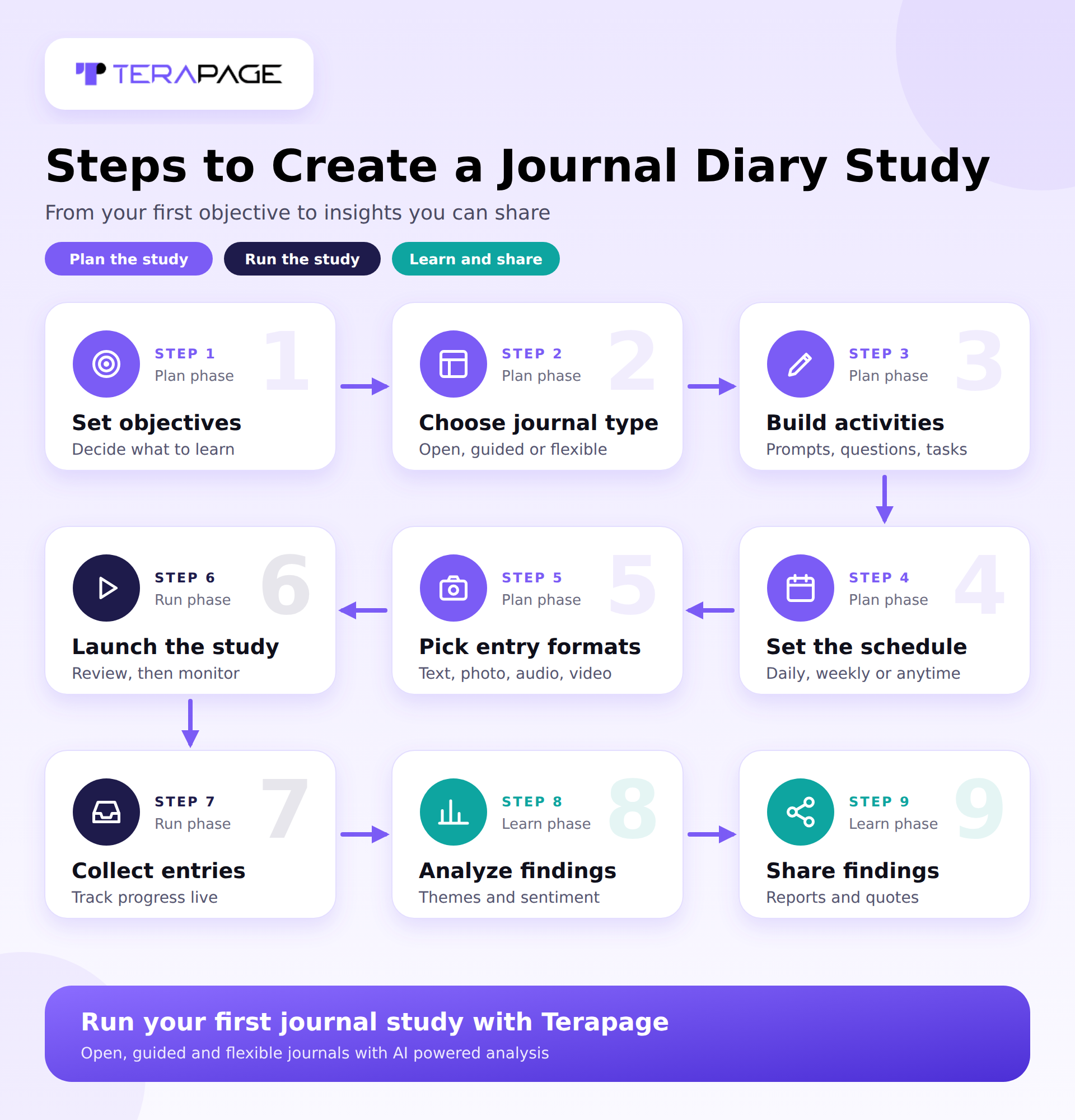
- Setting up a journal study on Terapage takes nine steps, from defining objectives to sharing AI-powered findings with stakeholders.
Your research team has set up a journal or diary study. Participants are recruited, the schedule is ready, and then they hit the first big question.
Should the journal or diary study be open, guided, or flexible?
If they pick the wrong one, the problems show up fast. An open journal or diary study gives them rich stories, but they are hard to compare across participants. A guided journal gives neat, comparable answers, but may miss the unexpected moments that matter most. A flexible journal can do both, but it isn’t always the simplest fit for their study.
The right method is not the one with the most features. It is the one that fits the research question, the stage of research, and the analysis the team needs to deliver. So, before making the final decision, research teams should take a deeper look at how open, guided, and flexible journal or diary studies work, along with their use cases and benefits, in our earlier article on journal or diary studies in market research.
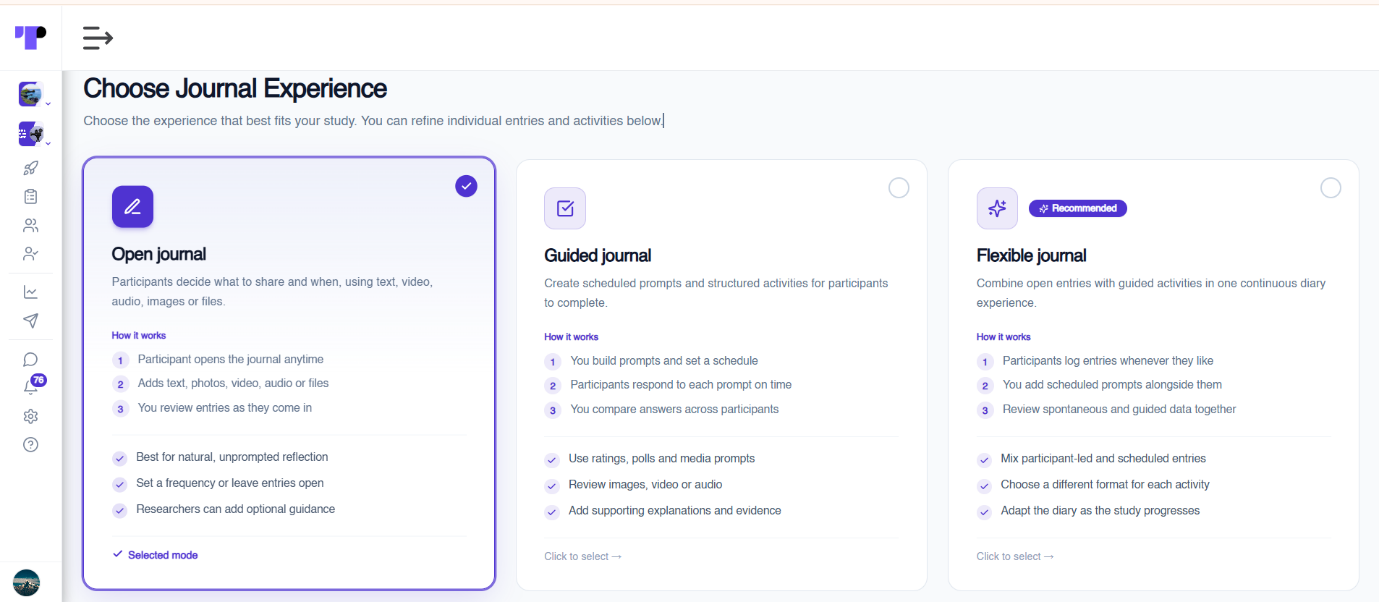
Open journal: participants decide what to record and when, in their own words.
Guided journal: researchers set scheduled tasks and prompts that every participant answers.
Flexible journal: scheduled, guided tasks combined with open entries in one continuous diary.
Once that’s clear, research teams can answer the following questions to select the right journal-writing method for their study.
How to Choose Between Open, Guided and Flexible Journal Studies: 5 Questions
Question 1: How Much Does Your Research Team Already Know?
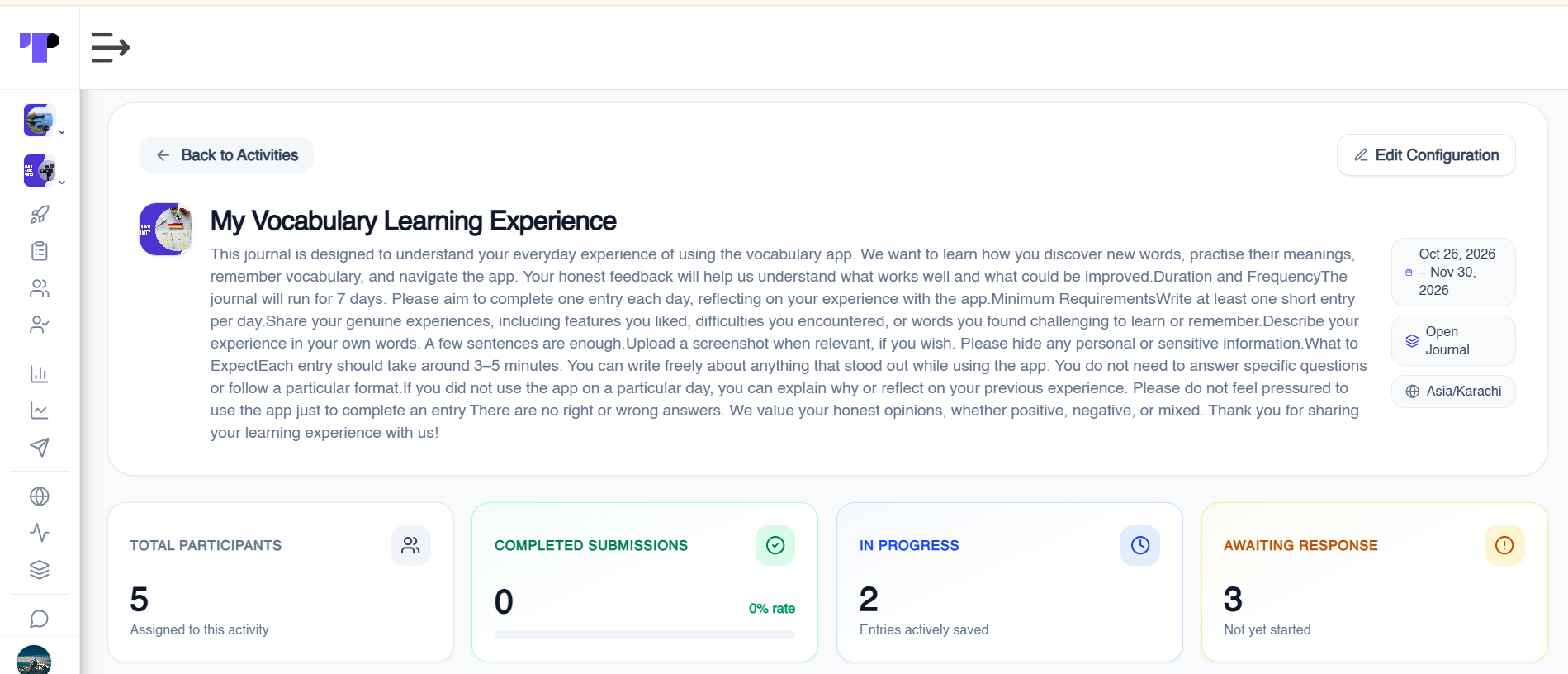
Open Journal: If they are exploring an experience and do not yet know what matters, an open journal is a good starting point, as it allows research teams to gain detailed, rich insights. Participants express their experiences, choices and reactions openly without any guidance or restrictions.
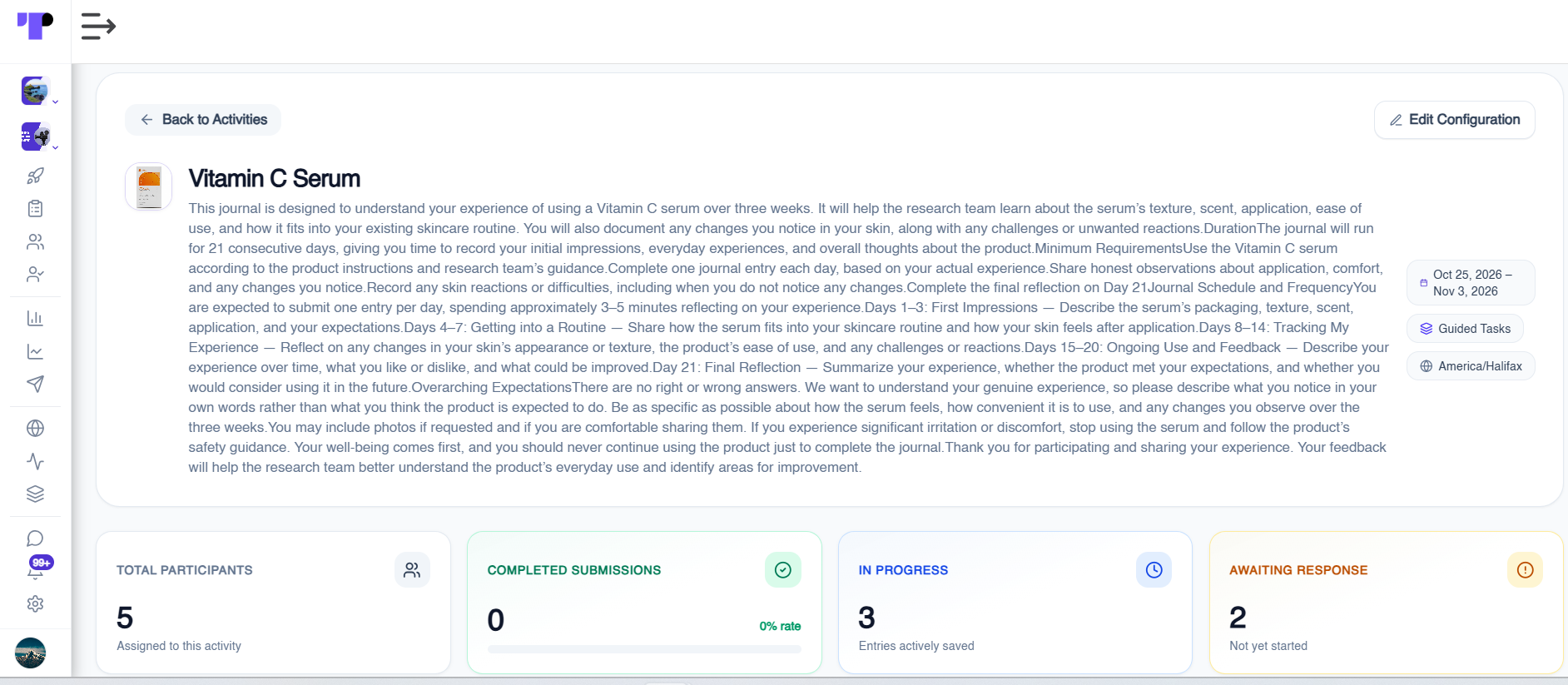
Guided Journal: If they have defined questions or hypotheses and need to measure the same things across everyone, they can choose a guided journal. It helps them get rich insights in a controlled environment defined by their prompts.
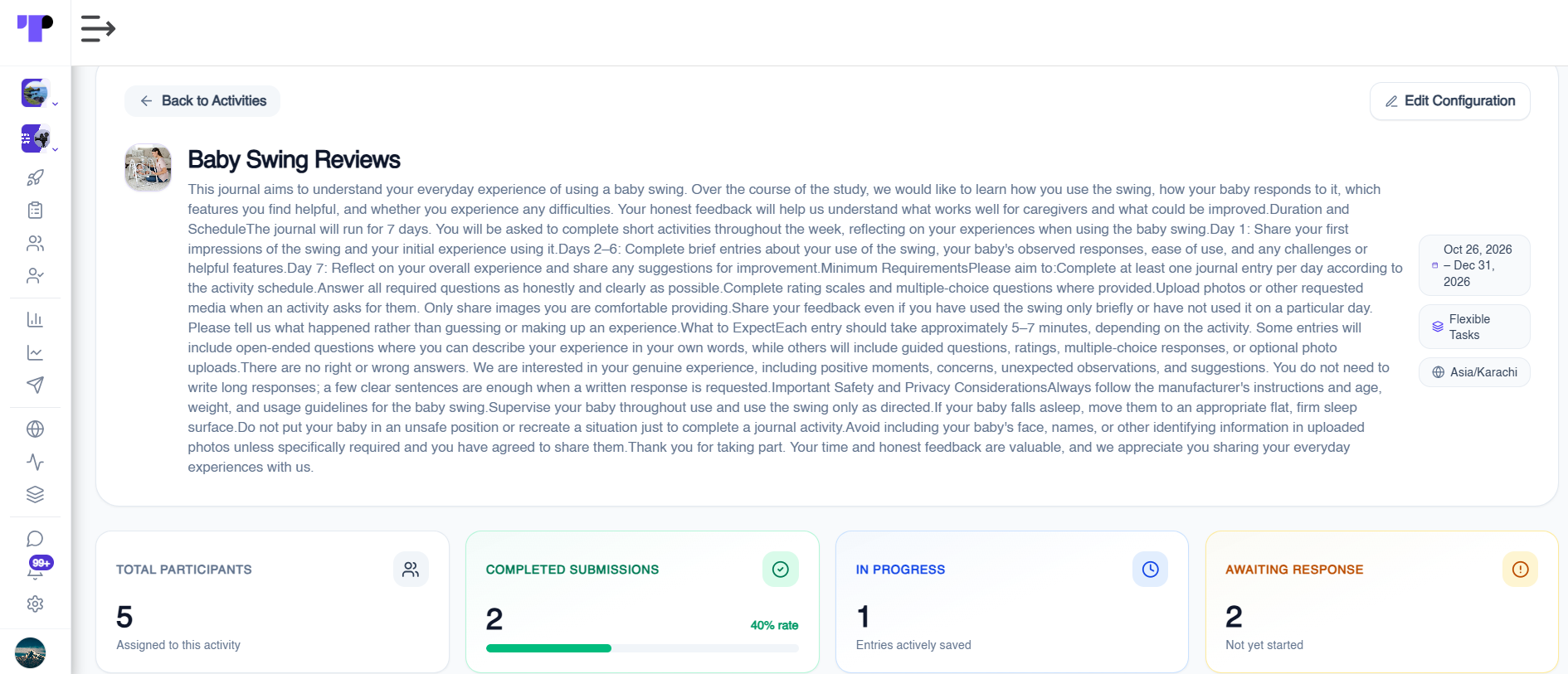
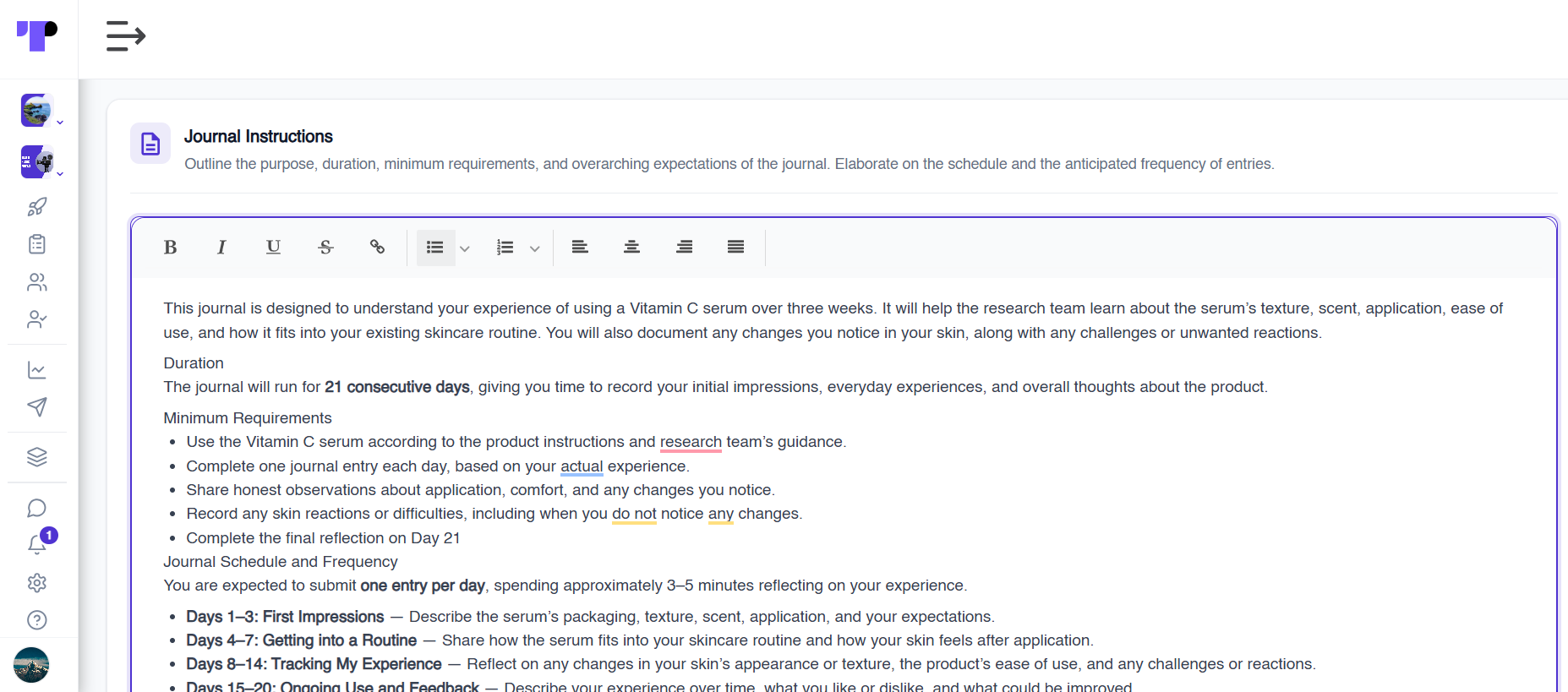
Flexible Journal: If they have some defined questions but also expect surprises, they can choose a flexible journal. It is a mixed-method approach, allowing them to gain the richest insights.
Modern research platforms like Terapage bring all three journal or diary study formats (open, guided, and flexible) together, allowing research teams to choose the approach that best aligns with their study objectives and requirements.
Question 2: How Important Is Comparing Participants?
Open Journal: If your research team’s goal is rich description rather than direct comparison, an open journal gives participants the freedom to show you what matters to them.
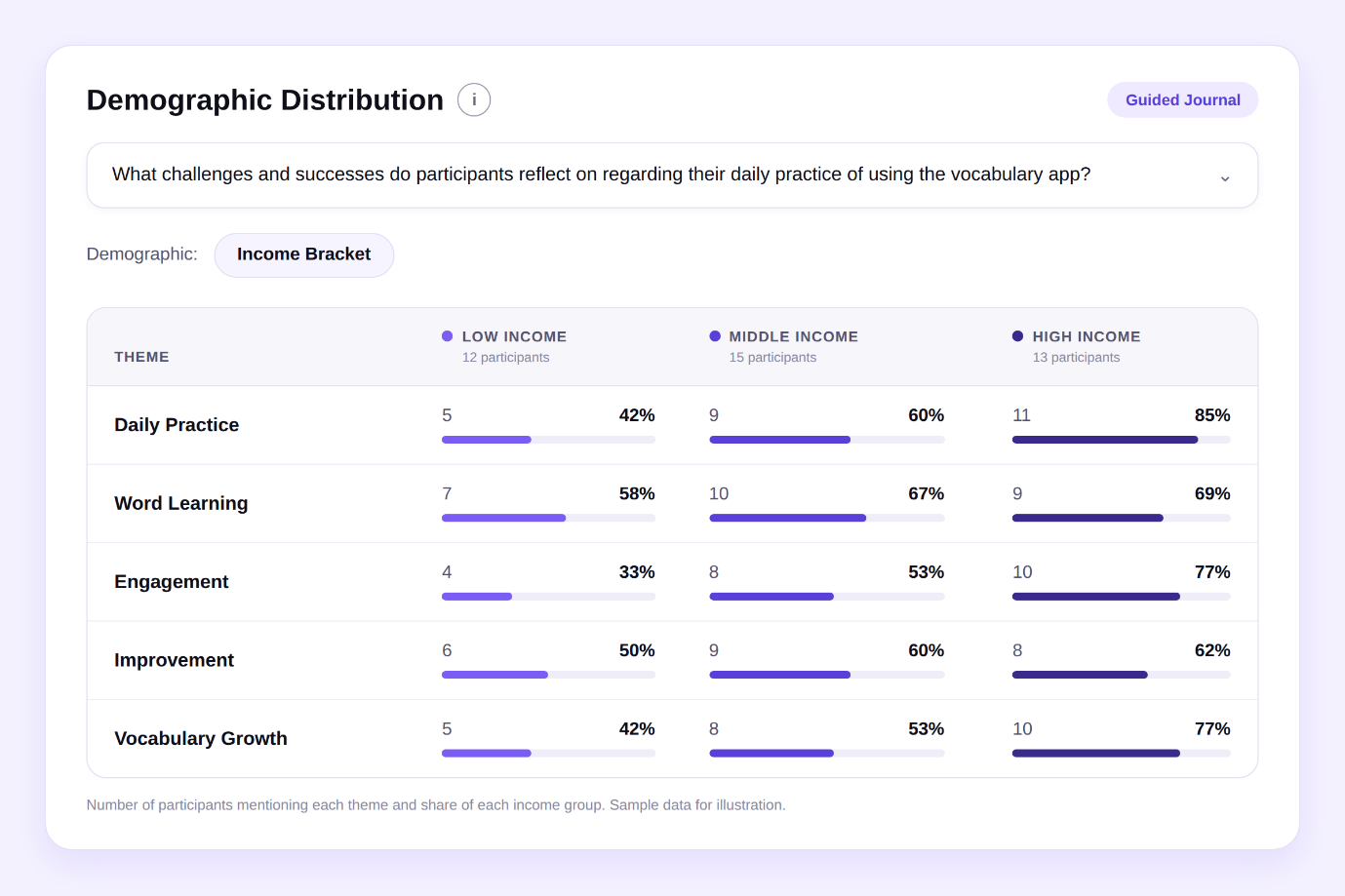
Guided Journal: If they plan to compare two audience segments on the same measure, or report differences between two time intervals, they can choose a guided journal where they can run a controlled study. This helps them conduct a comparative analysis of groups based on demographics such as age, gender, geography and income.
Flexible Journal: If your team needs both consistency and freedom to explore unexpected insights, a flexible journal offers a balanced approach. Researchers can provide common prompts or activities for all participants while allowing them to add their own observations, experiences and multimedia entries. This makes it possible to compare responses across audience segments or time intervals without missing individual experiences that may reveal new research opportunities.

Question 3: How Much Does Your Team Trust Its Research Questions?
Open Journal: If your research questions and objectives are broad or exploratory, your team can choose an open journal. For example, “Do language-learning apps help children learn foreign languages?” is a broad question, because there are many language-learning apps, and learning itself can mean different things depending on children’s ages, backgrounds and nationalities. An open journal can help researchers discover what children experience while using these apps and what aspects of learning matter most to them, a common need in education research.
Guided Journal: If your research questions are clearly defined and your team knows what it wants to investigate, a guided journal may be a better choice. Researchers can give participants specific questions or tasks to complete, making it easier to focus on particular aspects of the research.
Flexible Journal: If your team has specific research questions but also wants to discover unexpected insights, a flexible journal offers both structure and freedom. Researchers can schedule entries at daily, weekly or activity-based intervals, provide specific prompts, and allow participants to share other experiences or challenges they encounter.
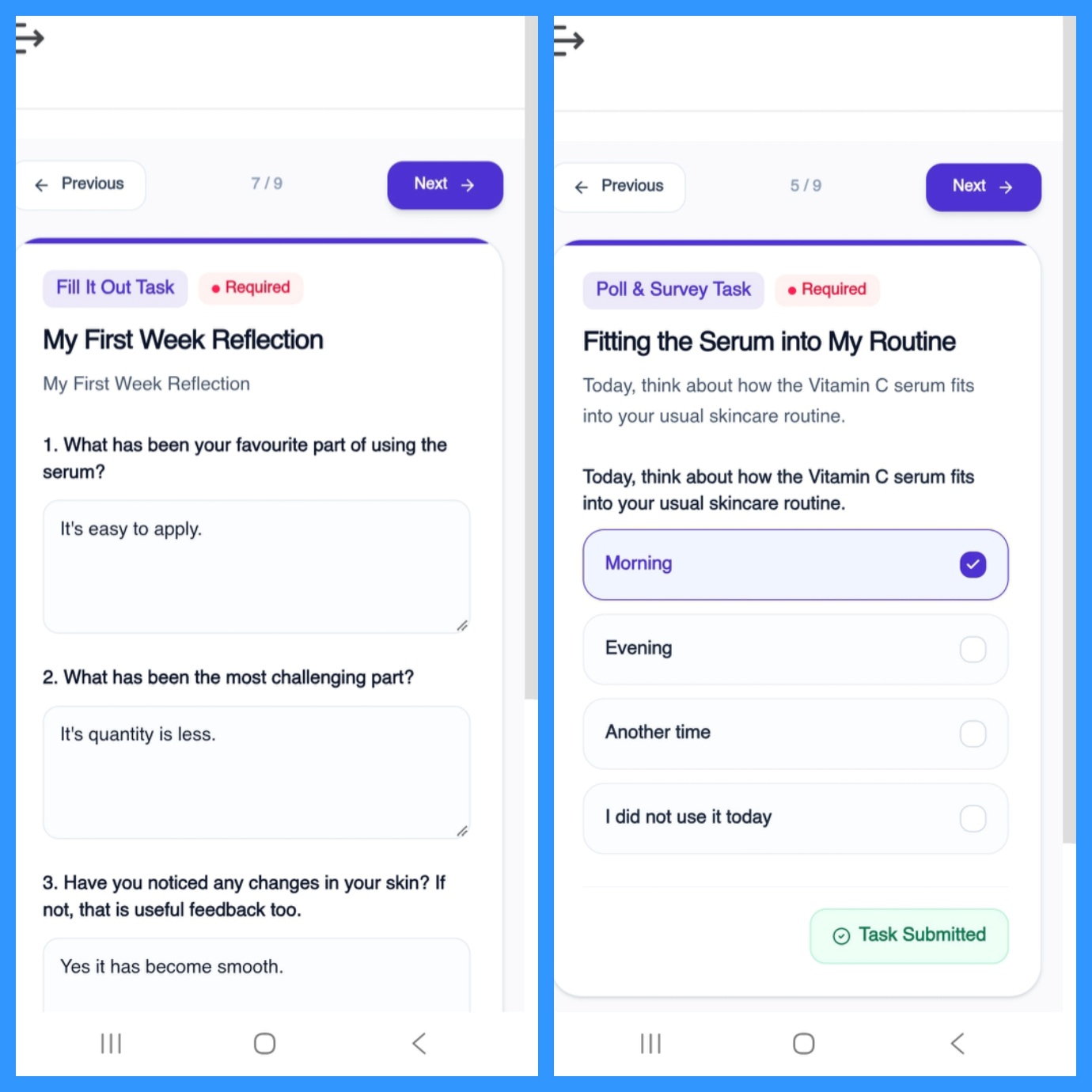
Question 4: How Often Should Participants Record Their Experiences?
Open Journal: If your team wants participants to share experiences whenever something meaningful happens, an open journal lets them record observations in their own time without following a fixed schedule. For example, users testing a new shopping app can write about any problems they encounter while shopping.
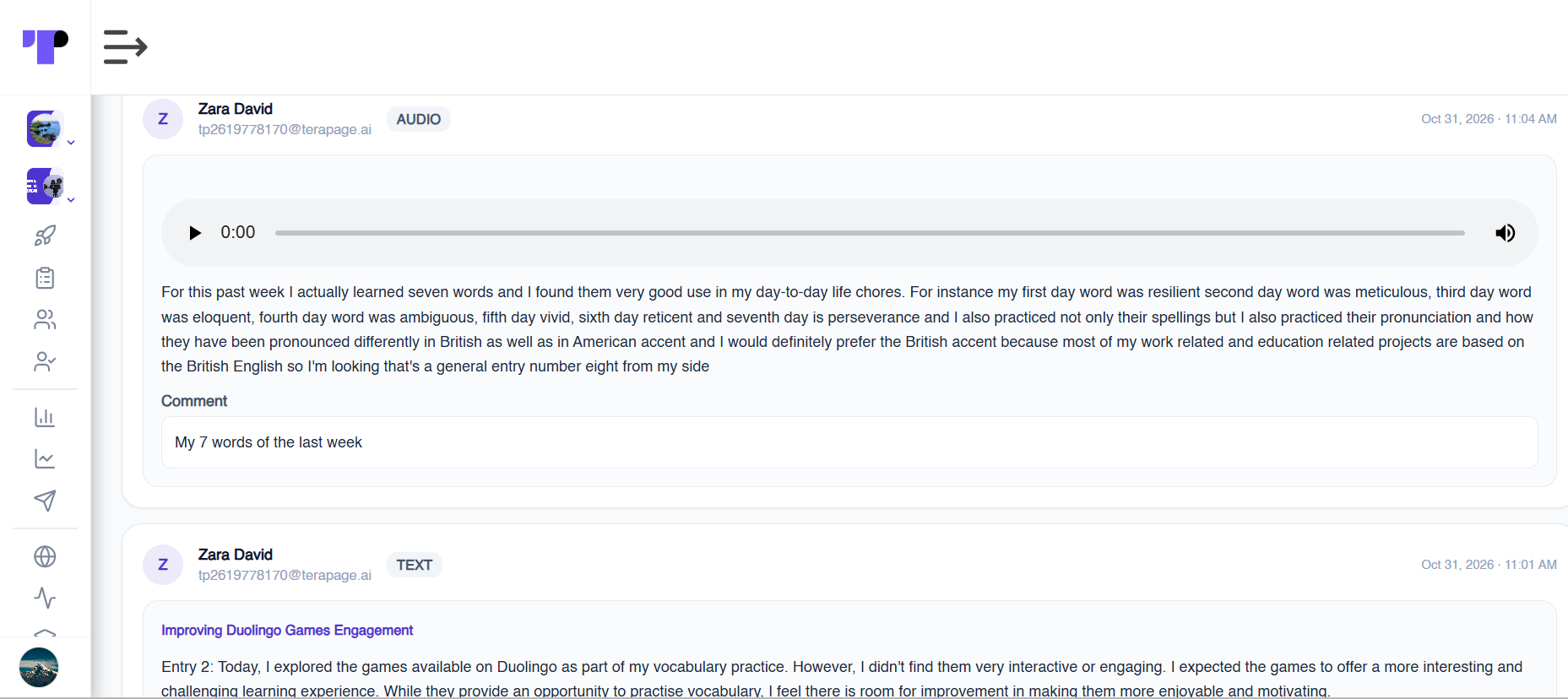
Guided Journal: If your team needs regular feedback or wants to compare experiences over a defined period of time, a guided journal allows researchers to schedule entries daily, weekly or after specific activities, using the same questions or prompts. For example, modern platforms like Terapage allow research teams to schedule their tasks in two ways:
- Custom and manual dates, which involve setting start and end dates individually for each task.
- Sequential, where tasks are released one after another from the start date, for example every day or every week.
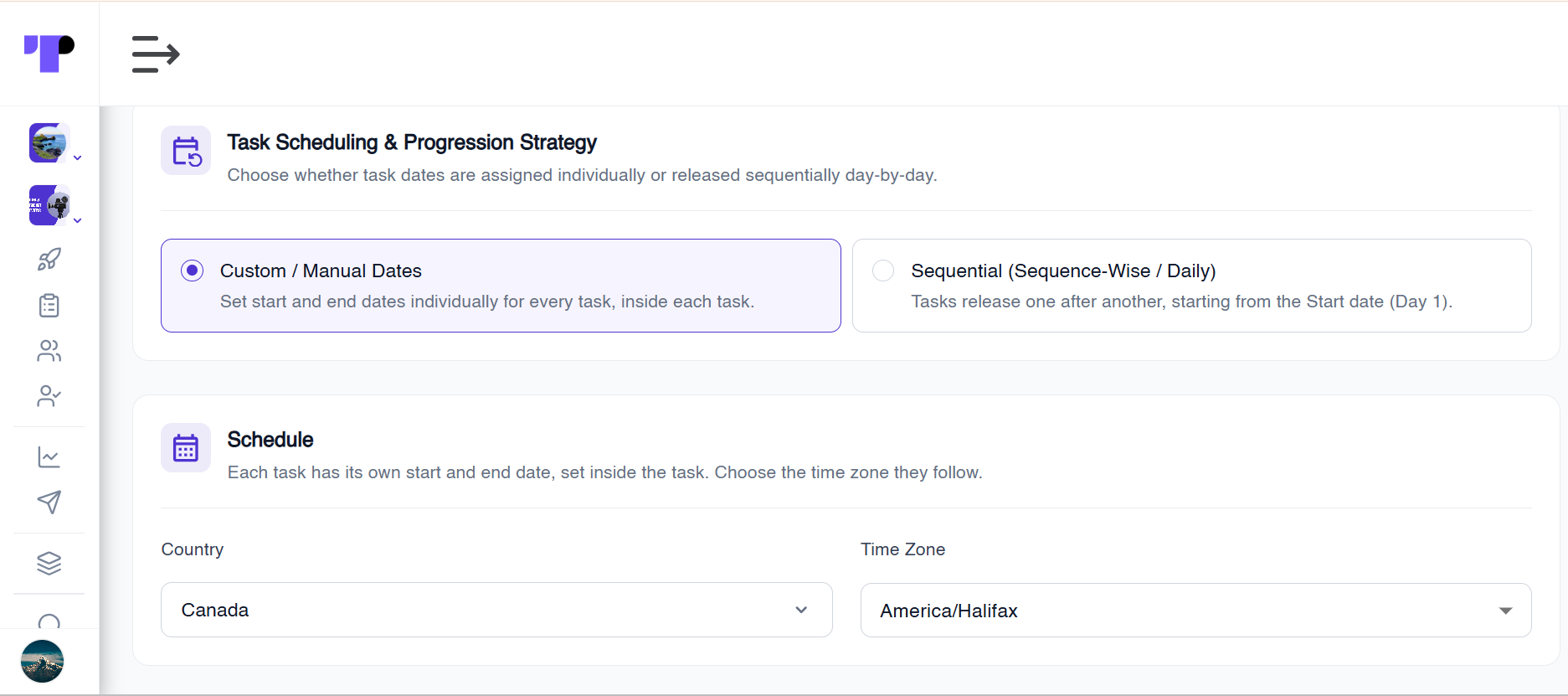
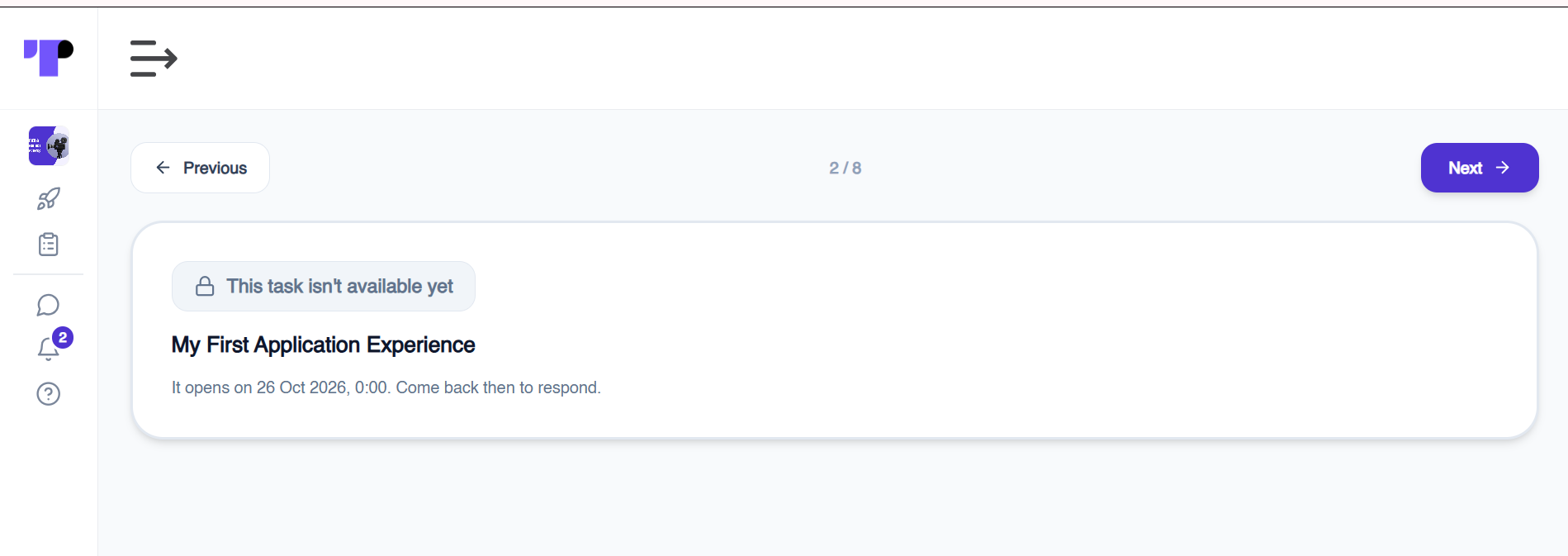
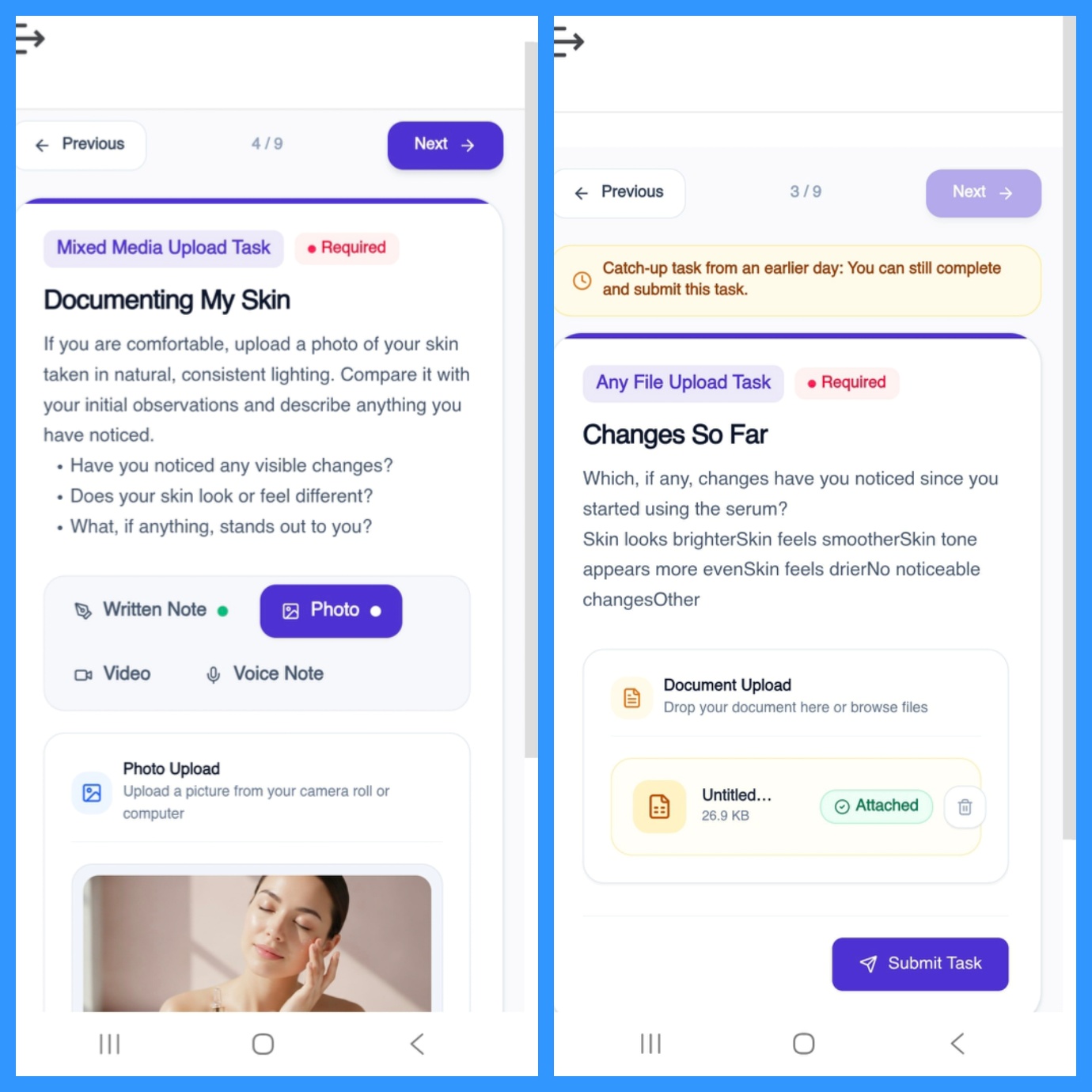
Flexible Journal: If your team needs both scheduled feedback and spontaneous observations, a flexible journal offers both options. Researchers can schedule regular entries while allowing participants to record additional experiences whenever something important happens or they miss a scheduled task. For example, participants can complete a missed task alongside their scheduled entry for the day, ensuring that no important feedback is lost.
Question 5: How Much Guidance Do Participants Need?
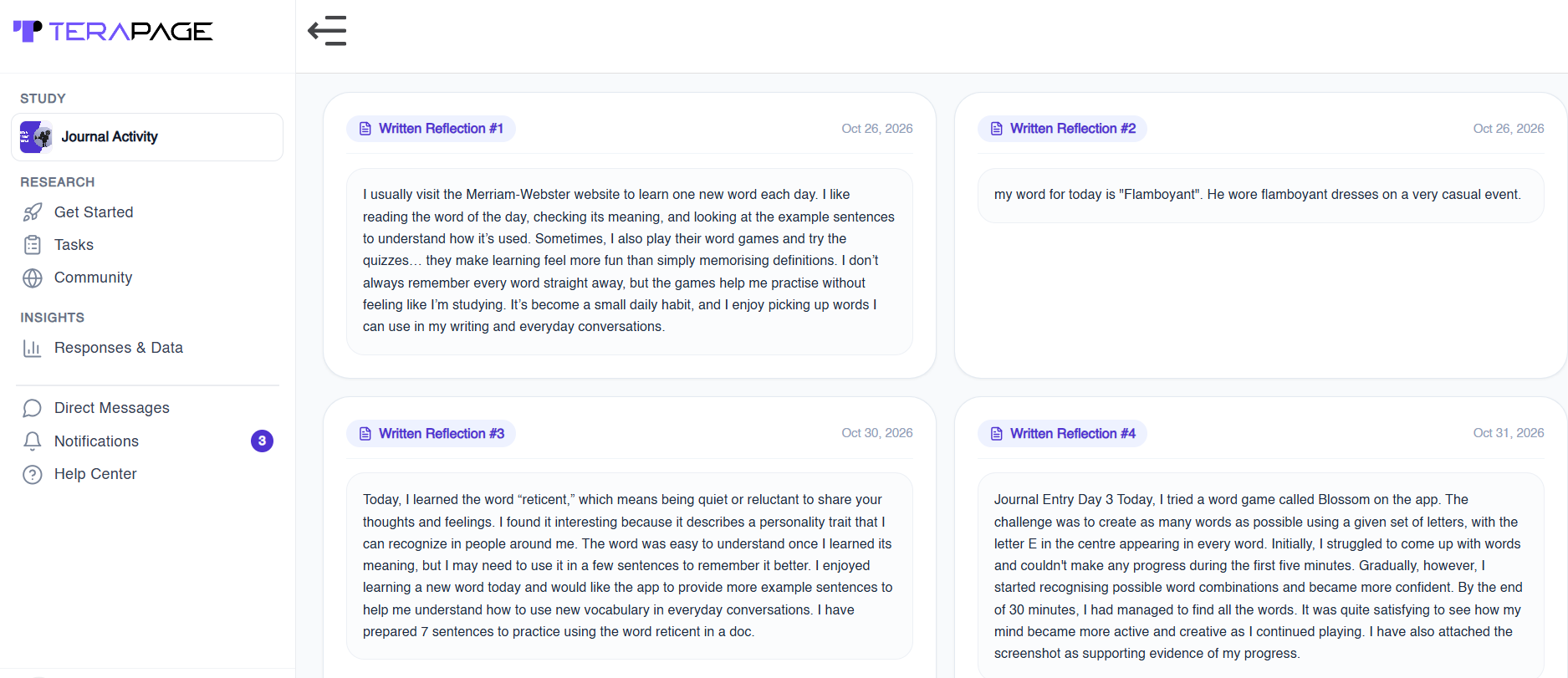
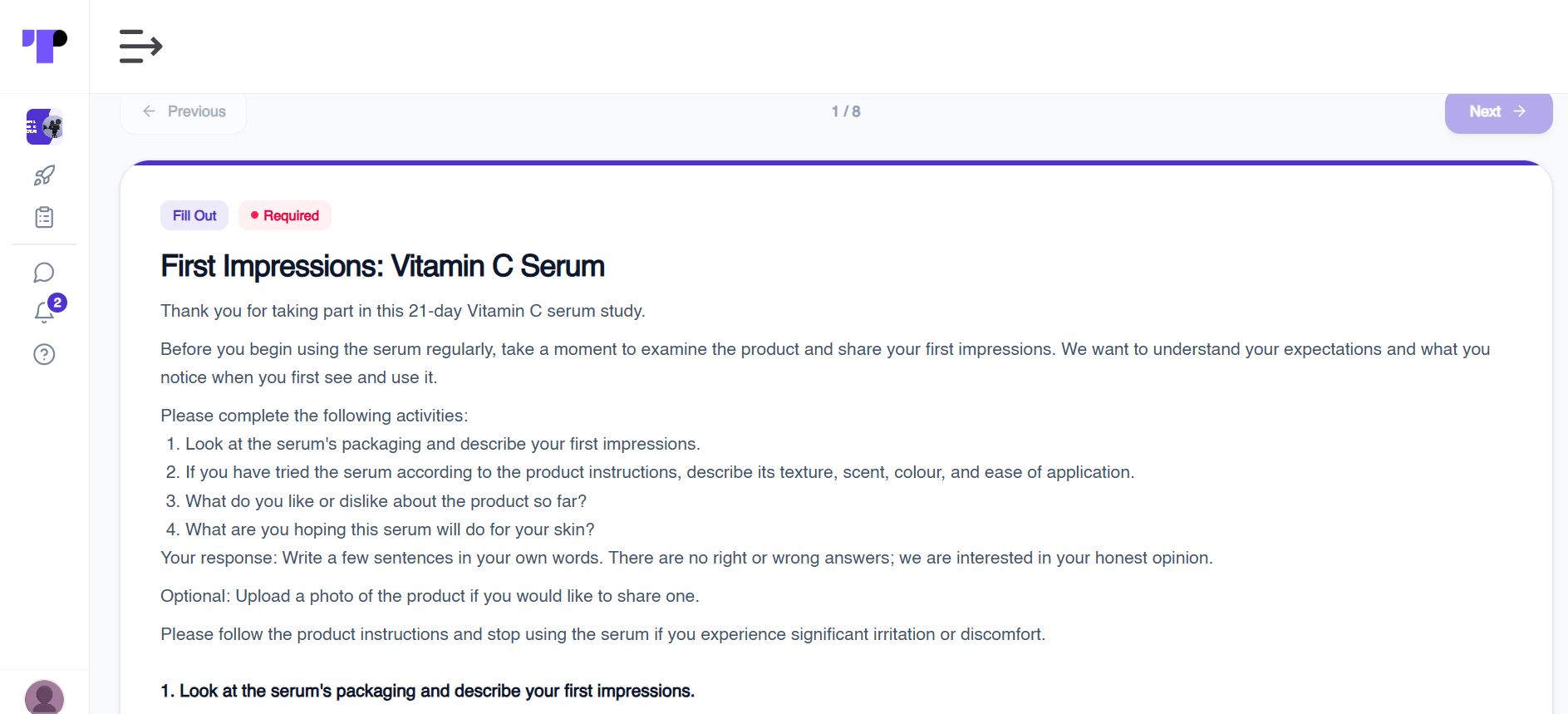
Open Journal: If participants are familiar with the topic and can describe their experiences independently, an open journal lets them record their thoughts without specific prompts or instructions for each entry.
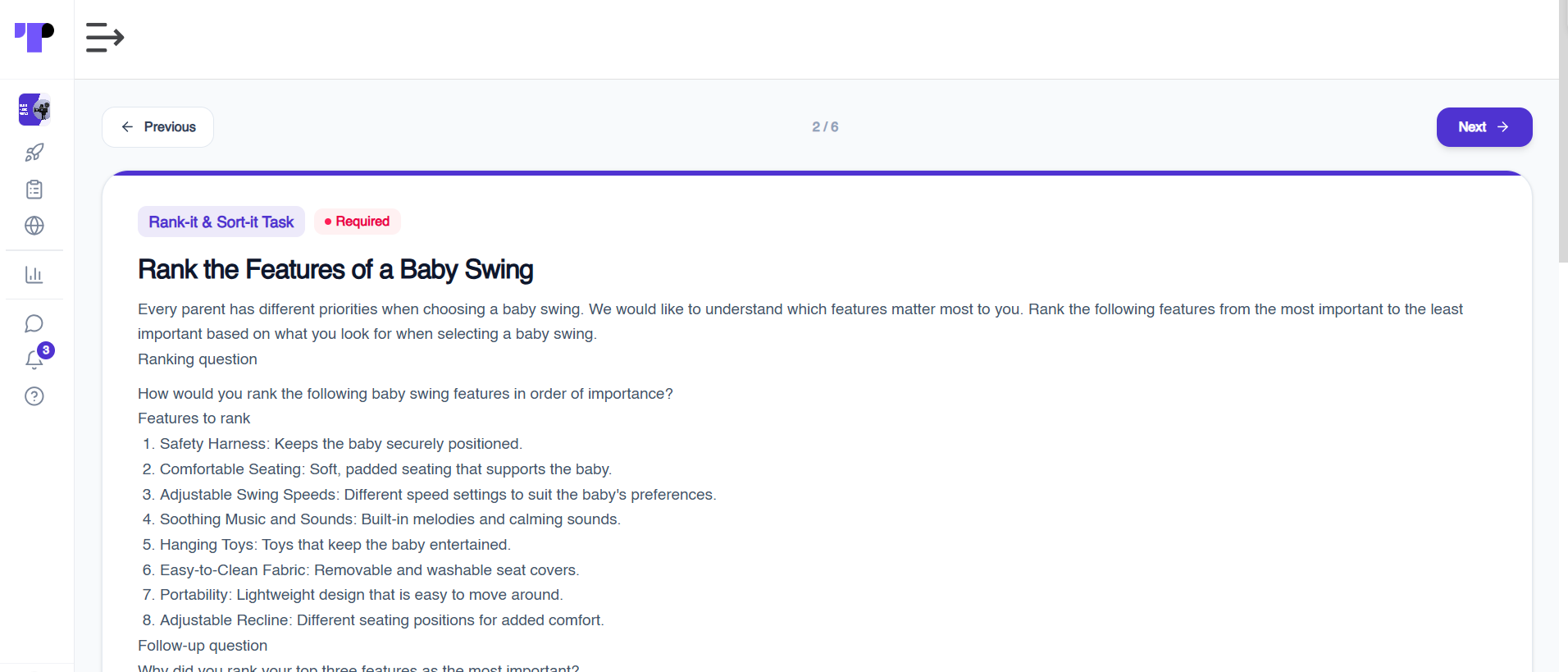
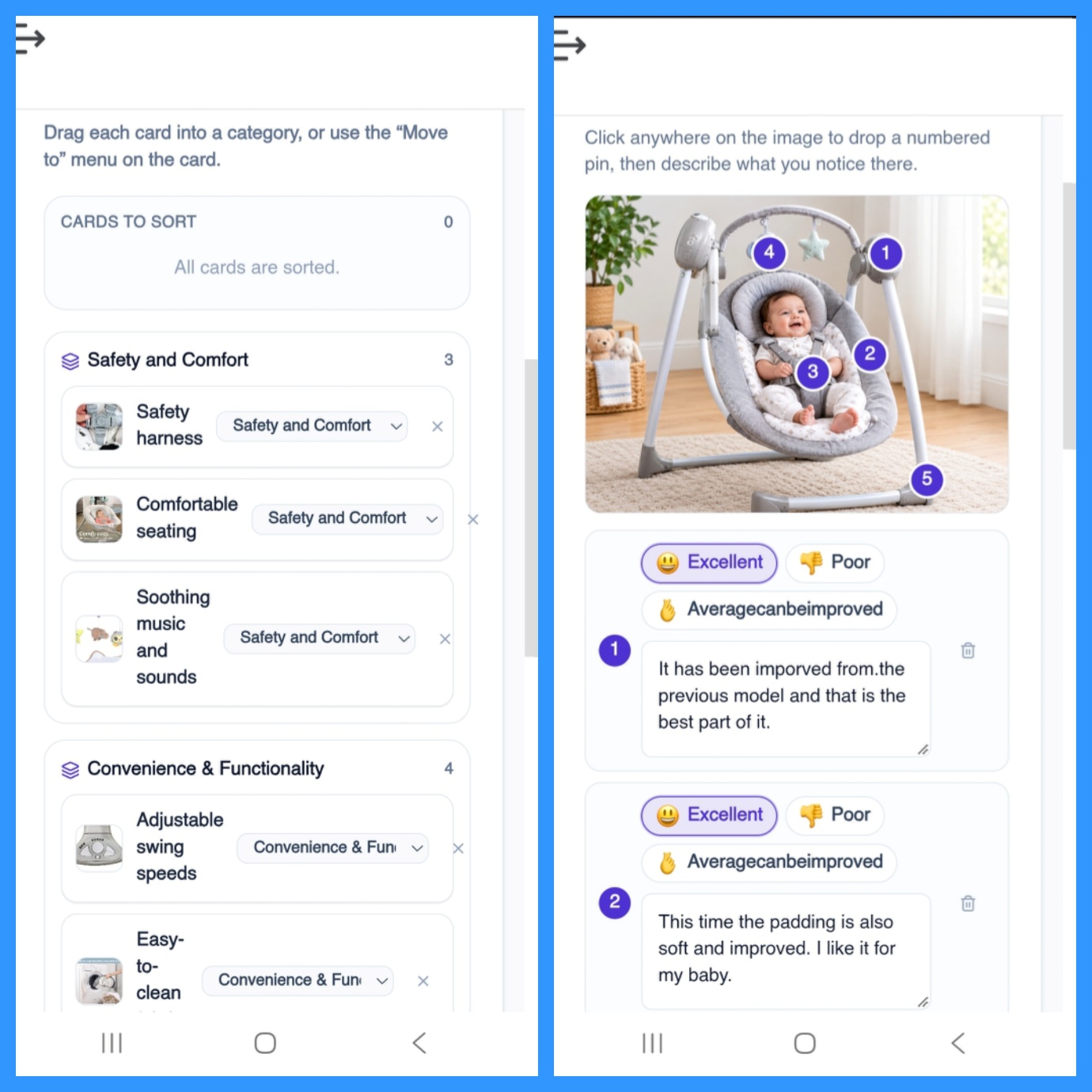
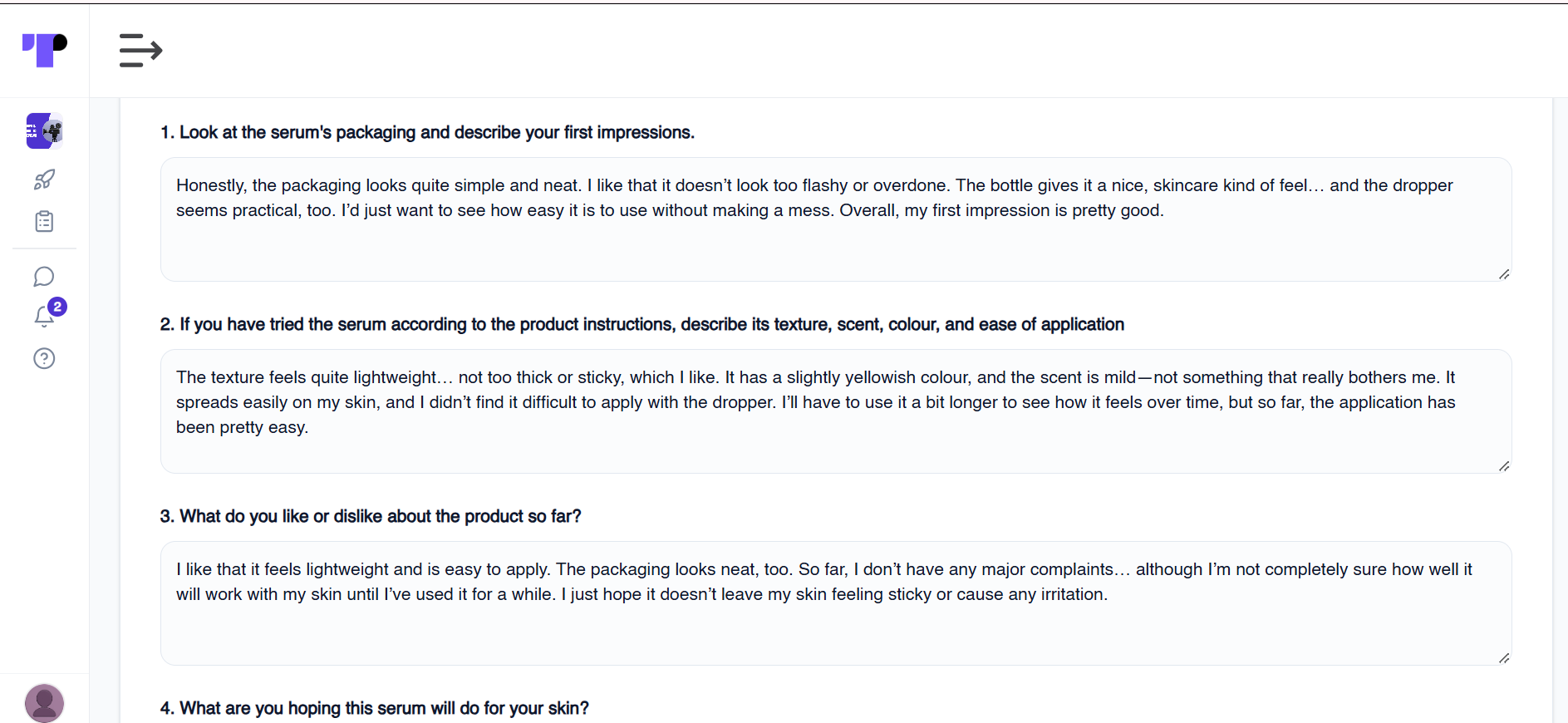
Guided Journal: If participants need clear instructions on what to observe, evaluate or record, a guided journal provides specific tasks and interactive activities to guide their responses. For example, researchers studying a baby swing can ask participants to sort product features into categories such as safety and comfort or convenience and functionality. Participants can also use image review activities with tags to highlight specific product features, describe what they notice, and rate their experience. These activities help researchers understand what participants value most and why.
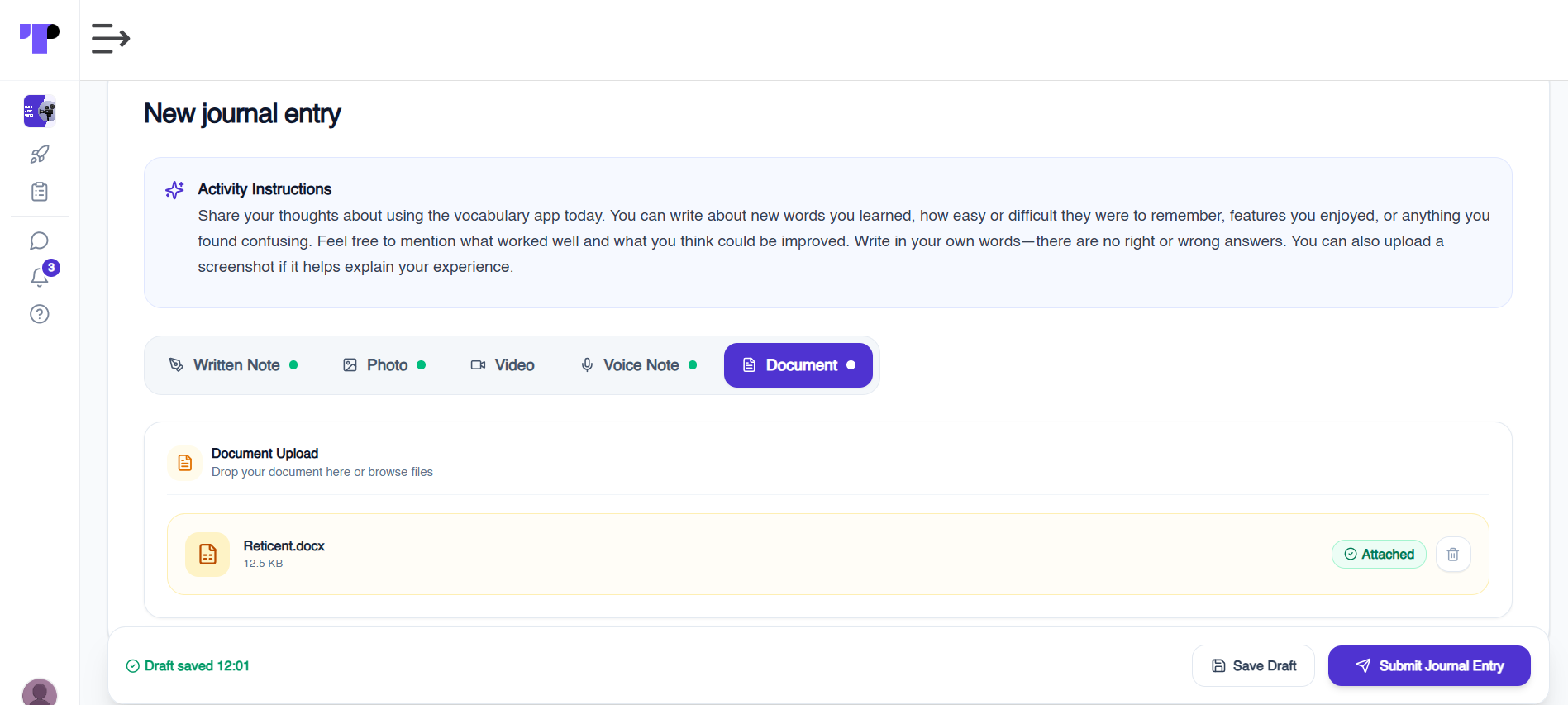
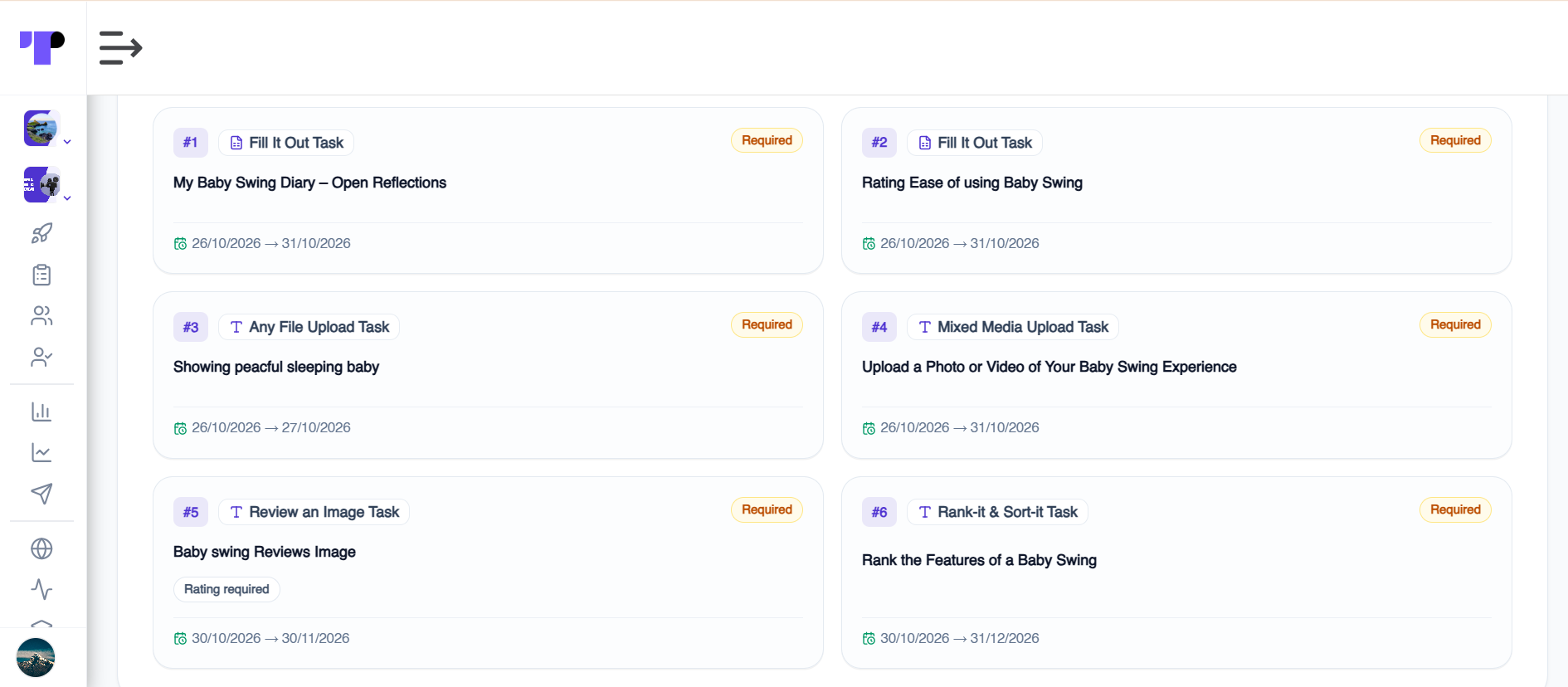
Flexible Journal: If participants need some guidance while still having the freedom to share their own experiences, a flexible journal combines scheduled tasks with open-ended activities. For example, researchers studying a baby swing can ask participants to complete specific activities, such as reviewing product features or sharing feedback, while also allowing them to add spontaneous observations about their baby’s experience or any features they find particularly useful.
Steps to Set Up Your First Journal Study
Terapage is an AI-powered digital ethnographic research platform that enables research teams to conduct journal studies in three formats (open, guided and flexible), making it a versatile, centralised solution for capturing, managing and analysing participant experiences.
Step 1: Define Your Research Objectives
Start by identifying what you want to learn from participants. Clear objectives will help you choose the right journaling method, whether open, guided or flexible, and keep the study focused on your research goals. See our best practices for designing research that works.
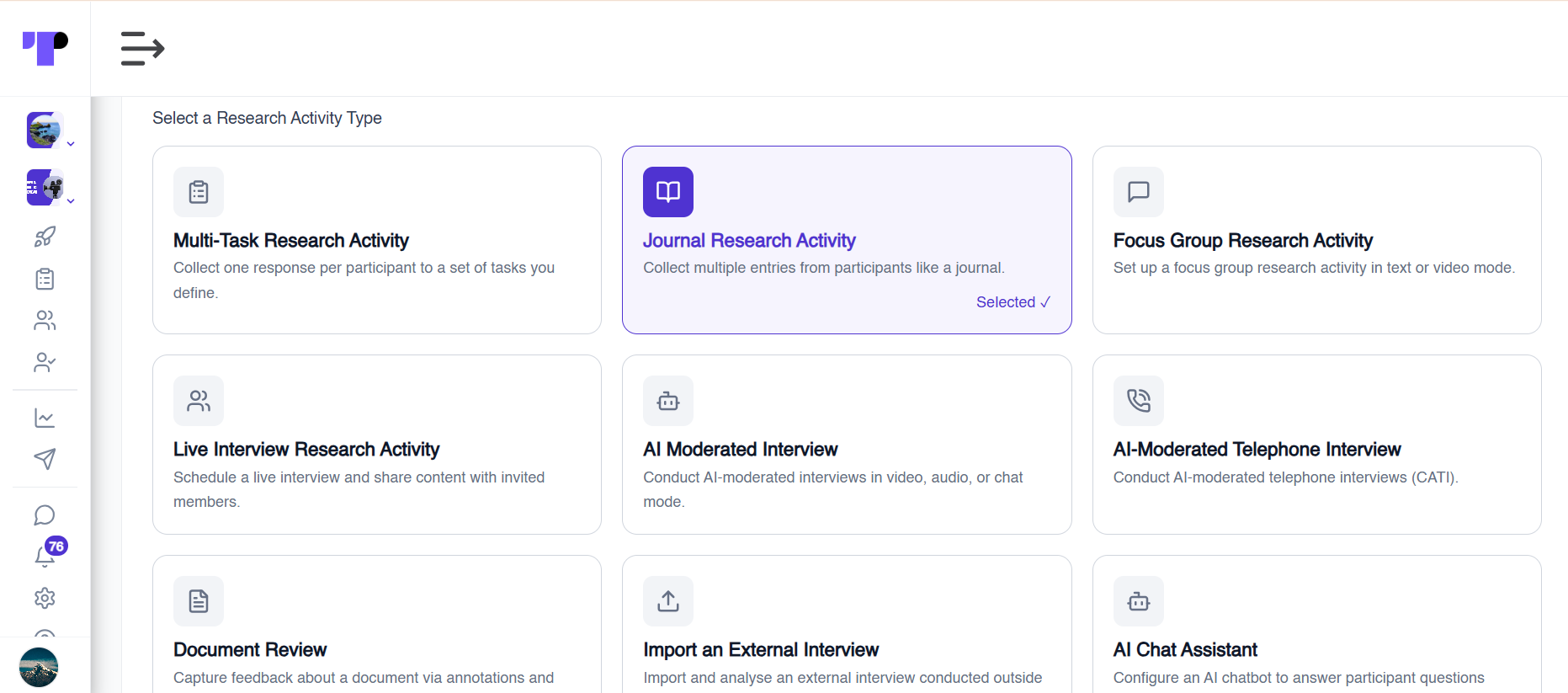
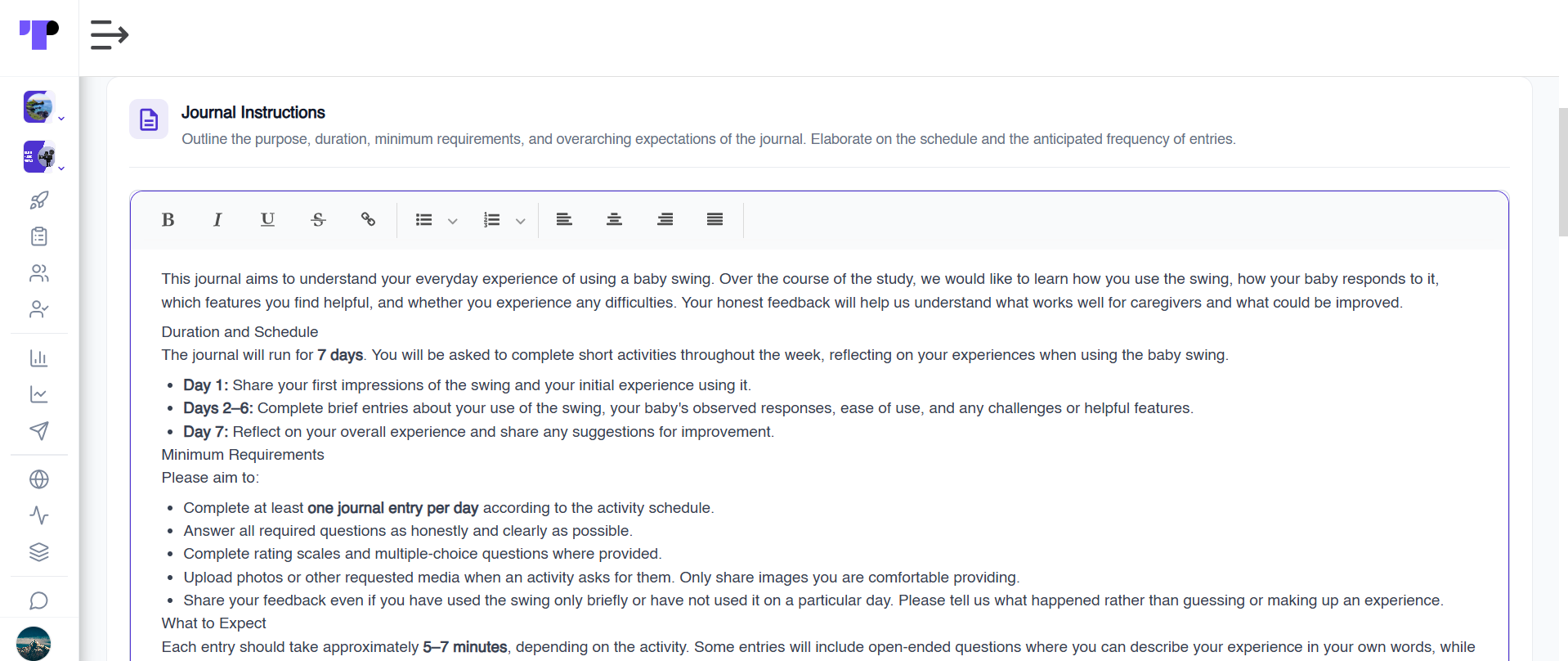
Step 2: Choose Your Journal Type
Select the journal format that best fits your research questions. Use open journaling for exploratory studies, guided journaling for focused questions and comparisons, or flexible journaling when you need both structure and room for unexpected insights.
Step 3: Design Your Journal Activities
Decide what participants should record during the study. You can use open-ended prompts, specific questions or guided tasks, depending on your chosen journal type. Keep instructions clear so participants understand what to do and what information to share.
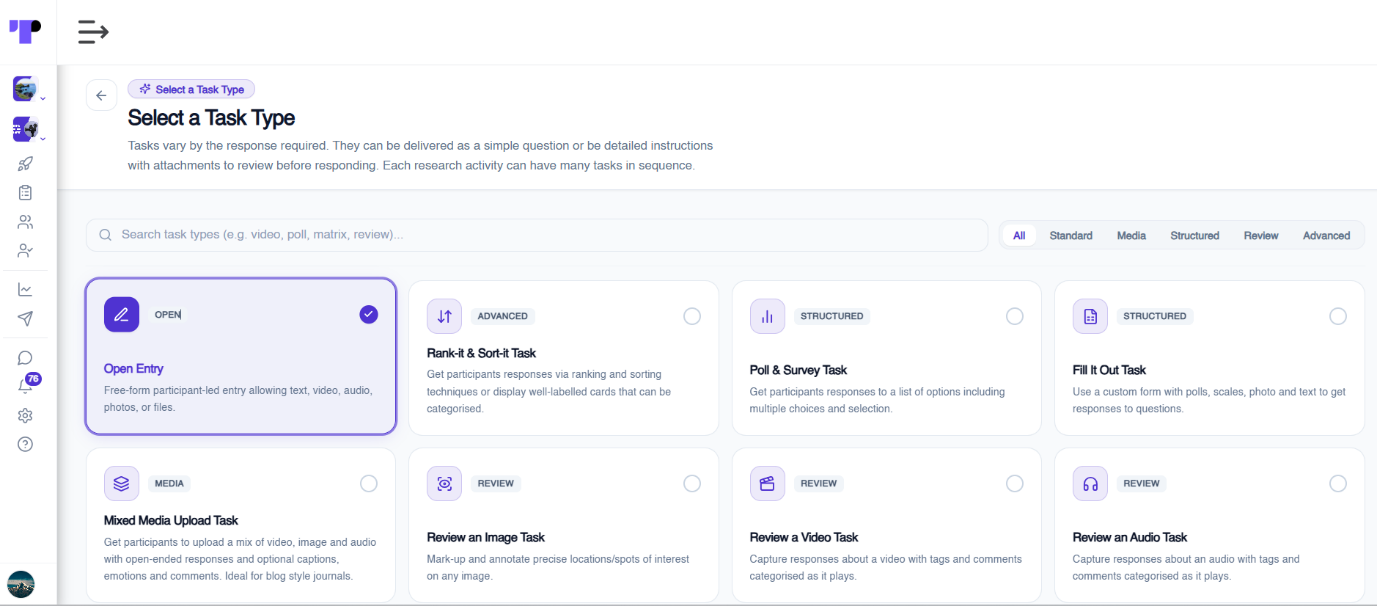
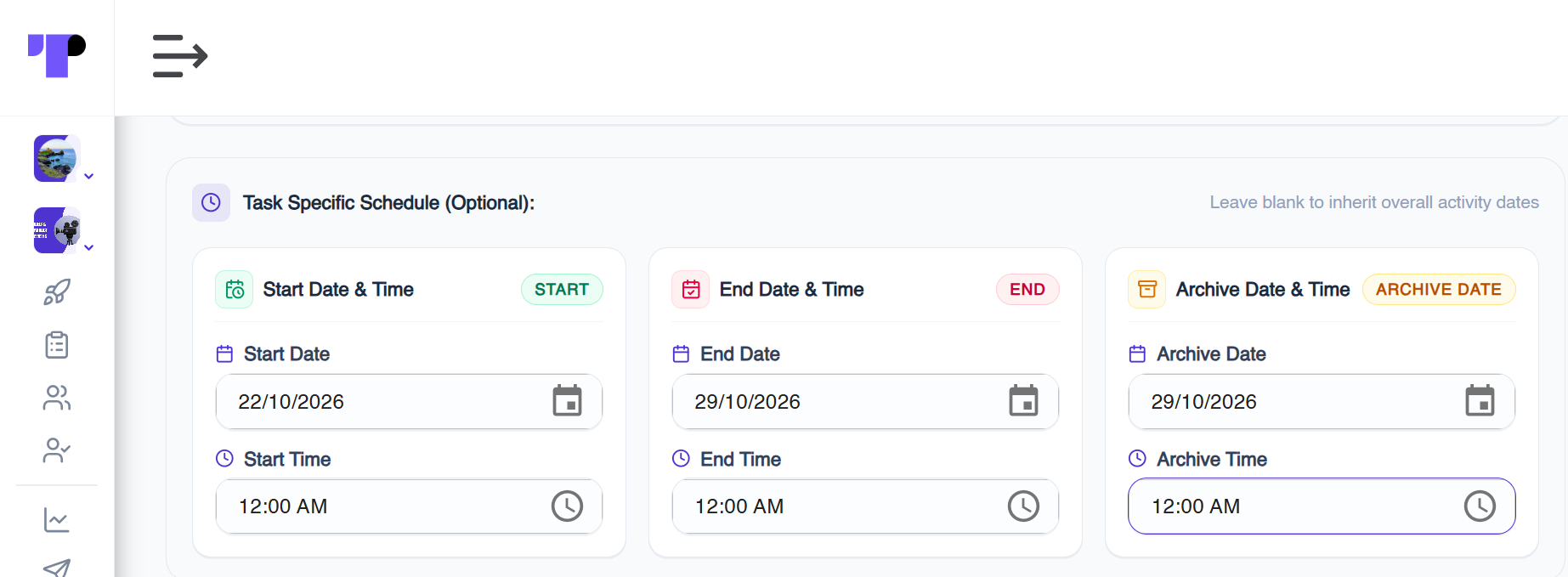
Step 4: Set the Study Schedule
Determine when and how often participants should submit entries. Depending on your objectives, you might schedule daily or weekly entries, request responses after specific activities, or allow participants to record experiences whenever they occur.
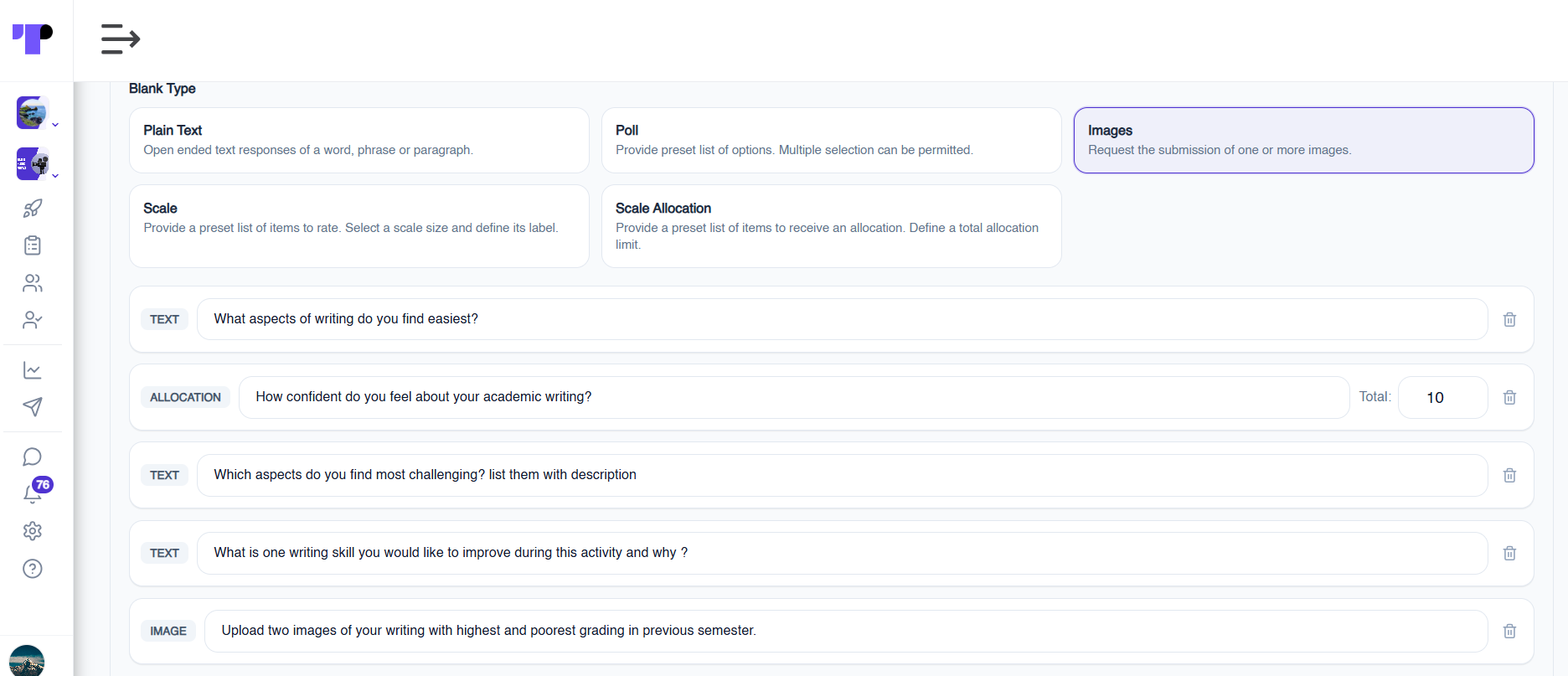
Step 5: Decide How Participants Will Share Their Experiences
Choose the response formats that suit your study, such as written entries, photographs, audio recordings or videos, where supported by your research platform. Different formats can help participants explain experiences that may be difficult to describe in words alone, as in mobile ethnography.
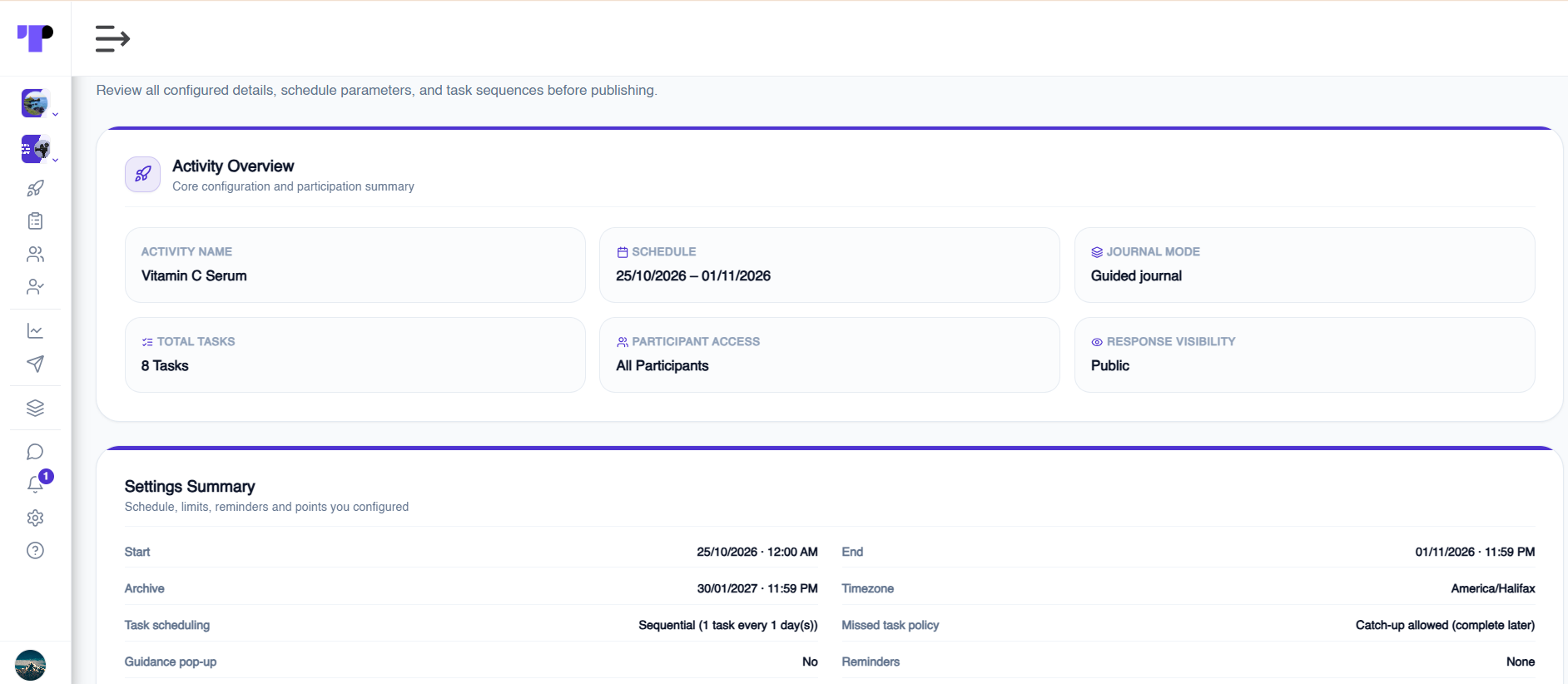
Step 6: Launch and Monitor Your Study
Before launching, review your instructions, activities, schedule and participant requirements. Once the study begins, monitor incoming entries and completion progress so you can identify unclear instructions or participation issues early.
Step 7: Collect Journal Entries
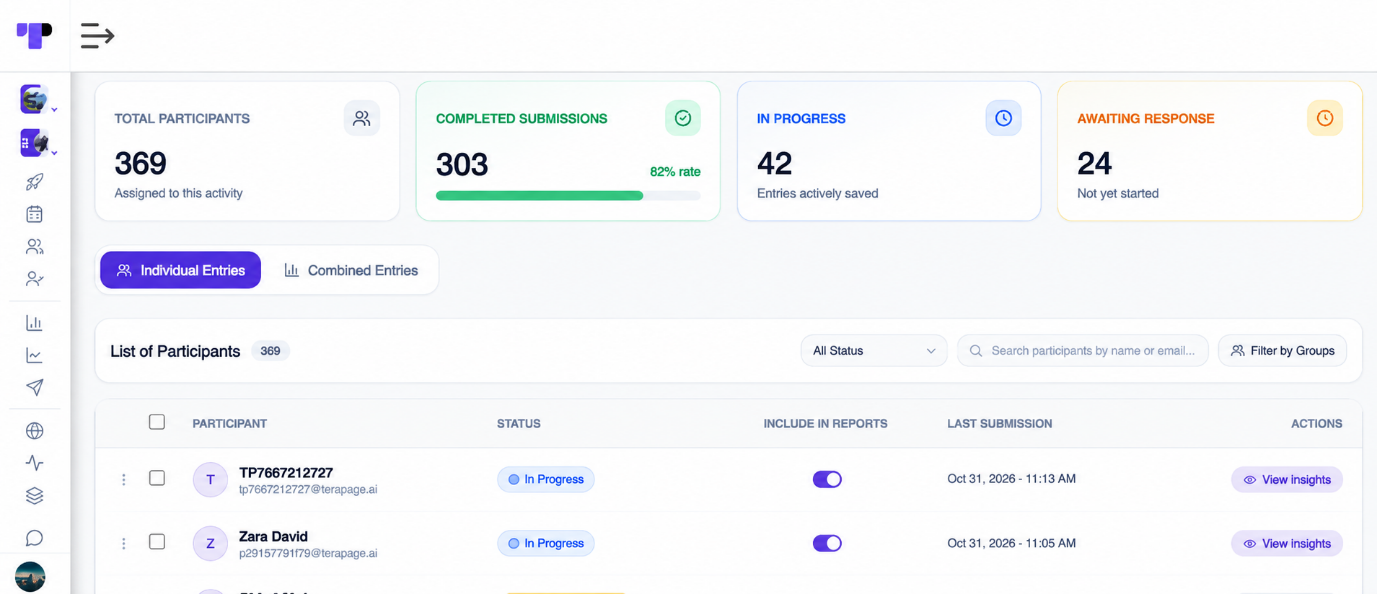
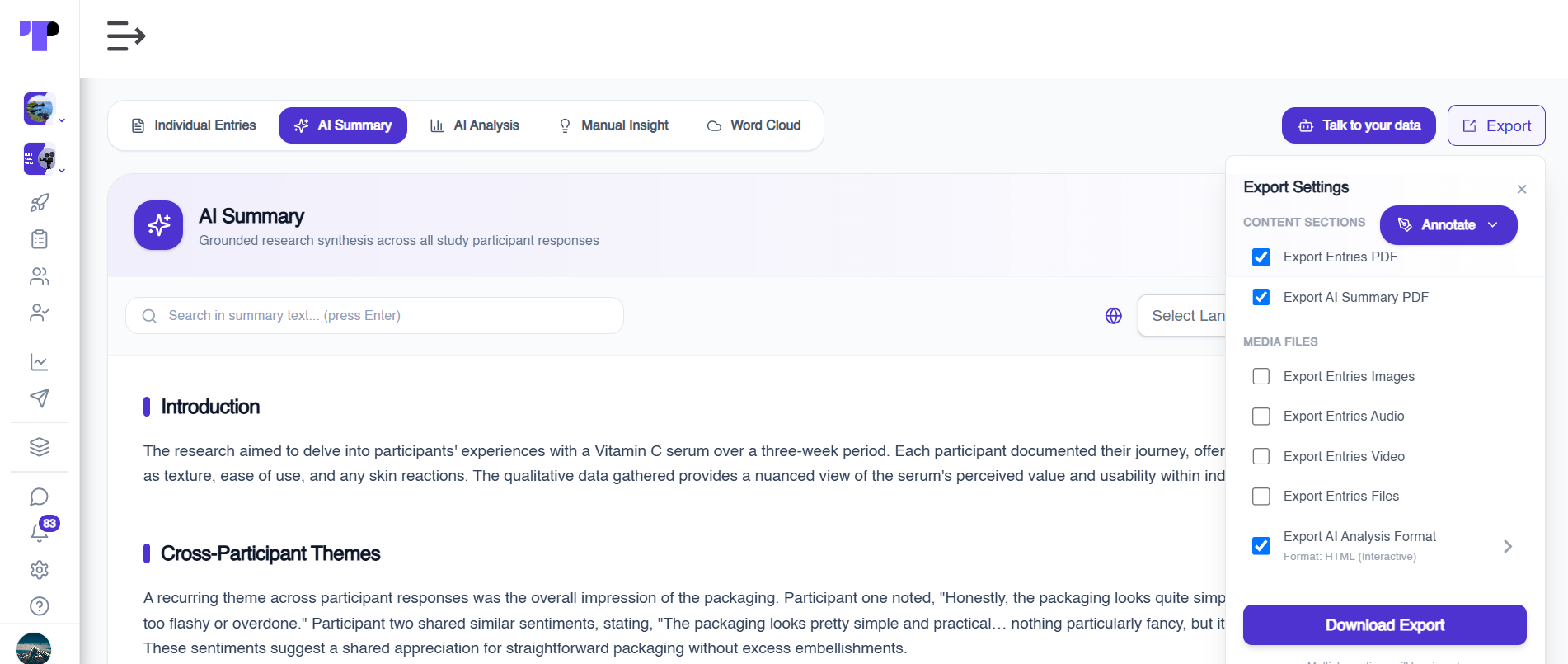
Once the journal or diary study is launched, researchers can start collecting participant entries in real time through the Terapage workspace. They can review individual submissions, track participant progress and monitor responses as the study unfolds.
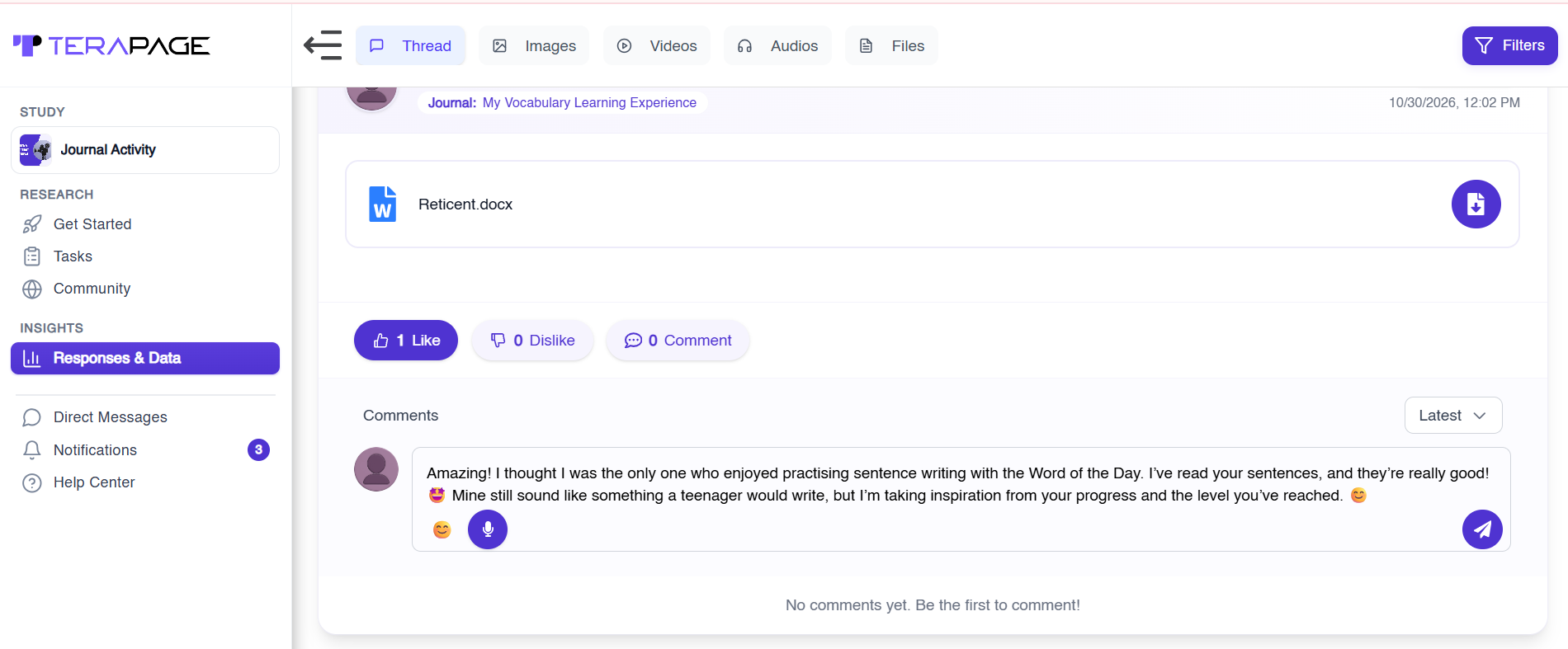
Terapage also makes journal activities more interactive by allowing participants to engage with entries shared by their fellow participants. They can like, dislike and comment on these entries, creating opportunities for discussion and encouraging participants to share different perspectives and experiences.
Step 8: Review and Analyse the Findings
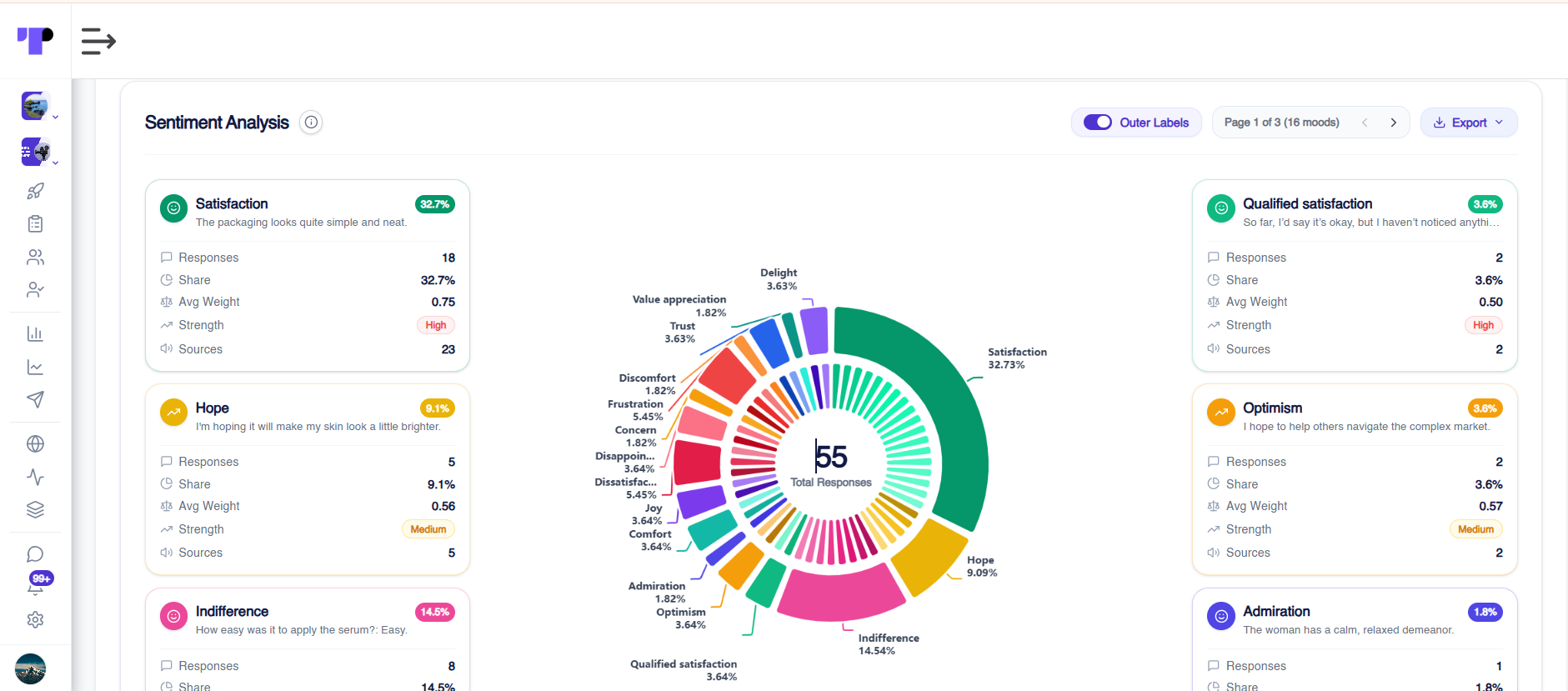
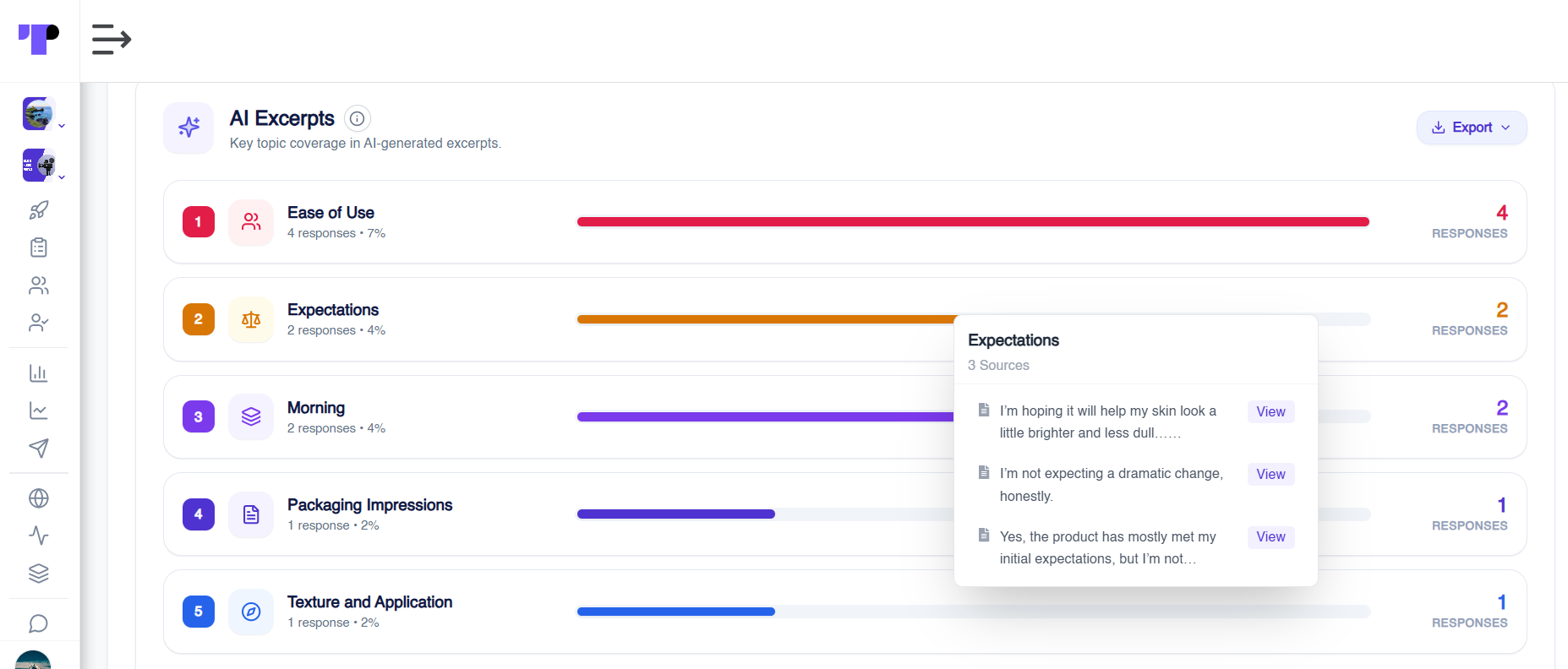
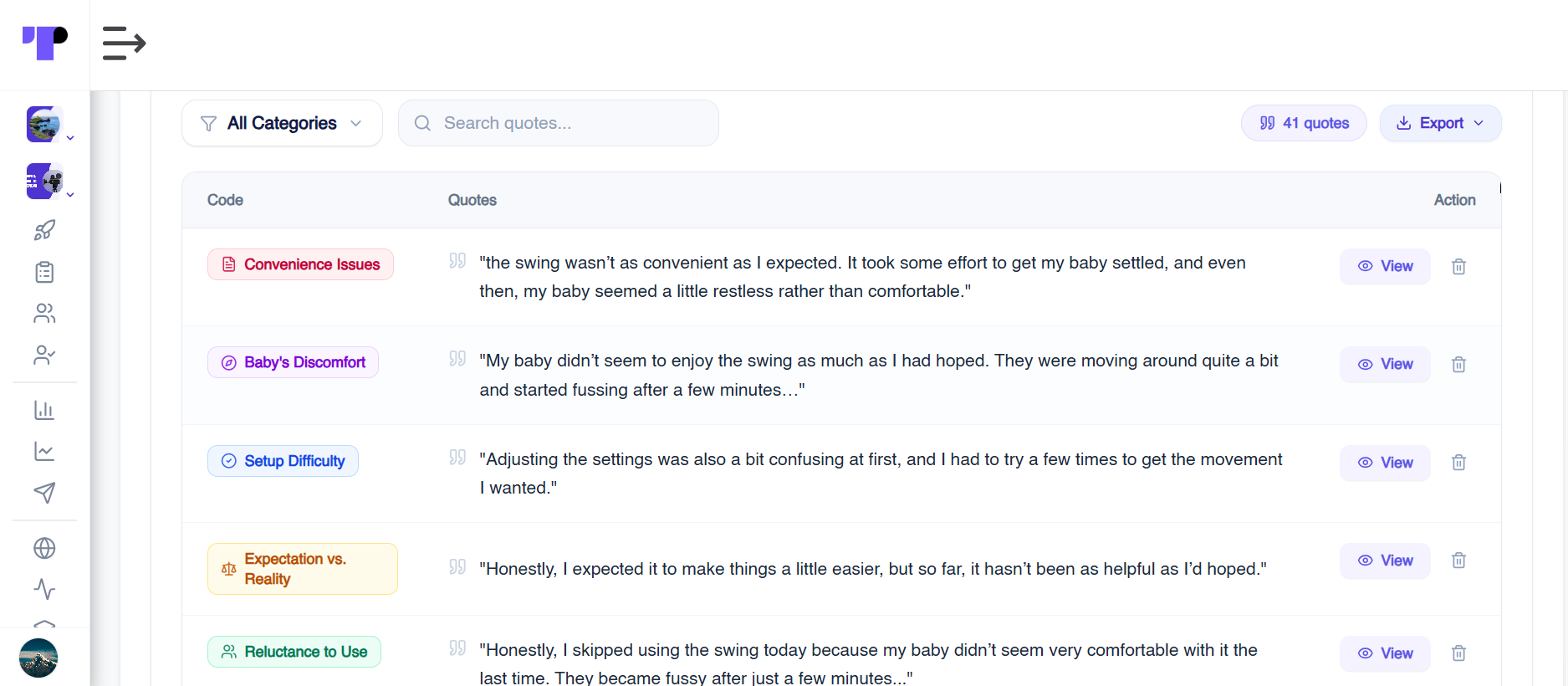
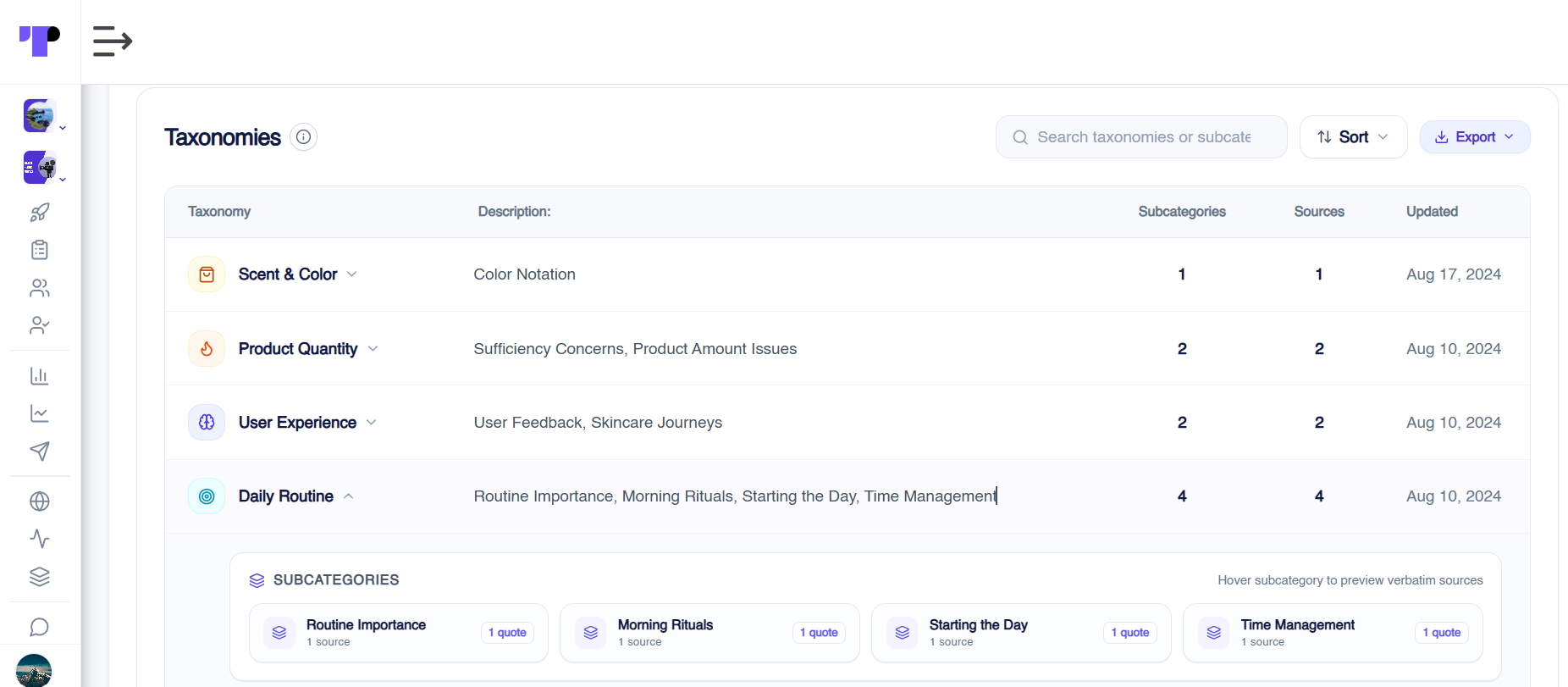
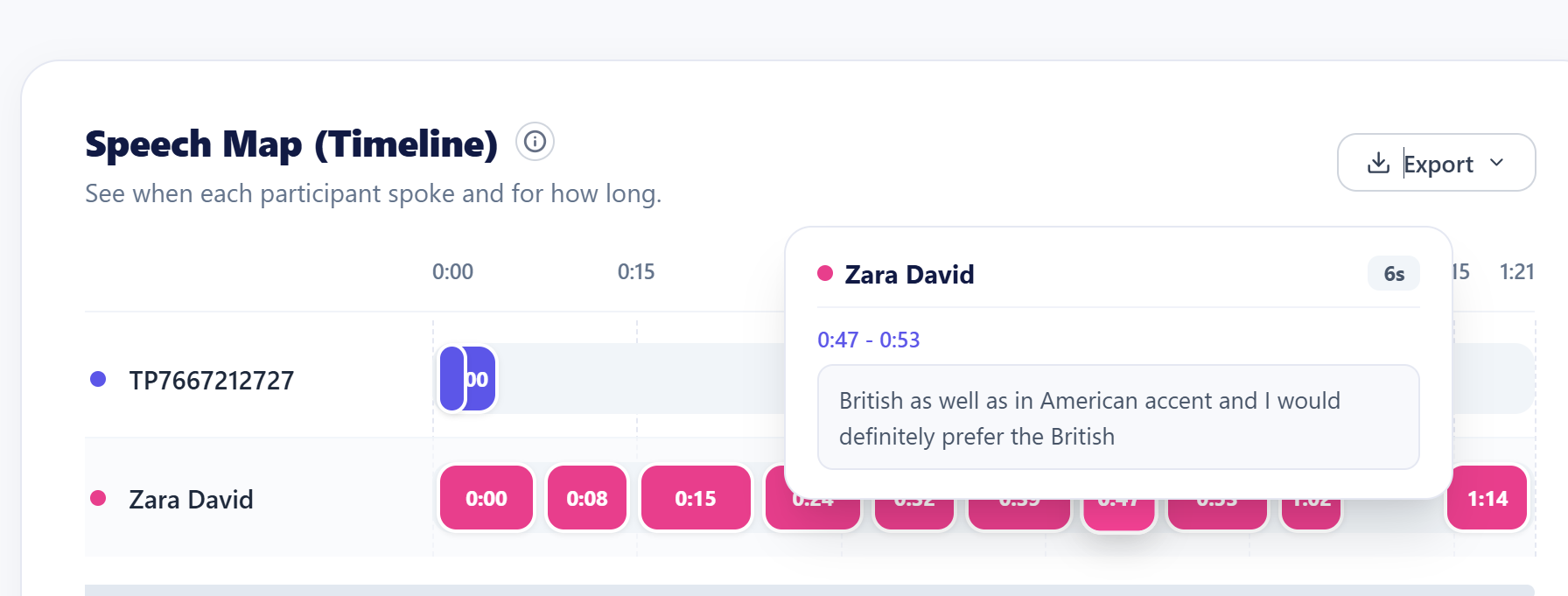
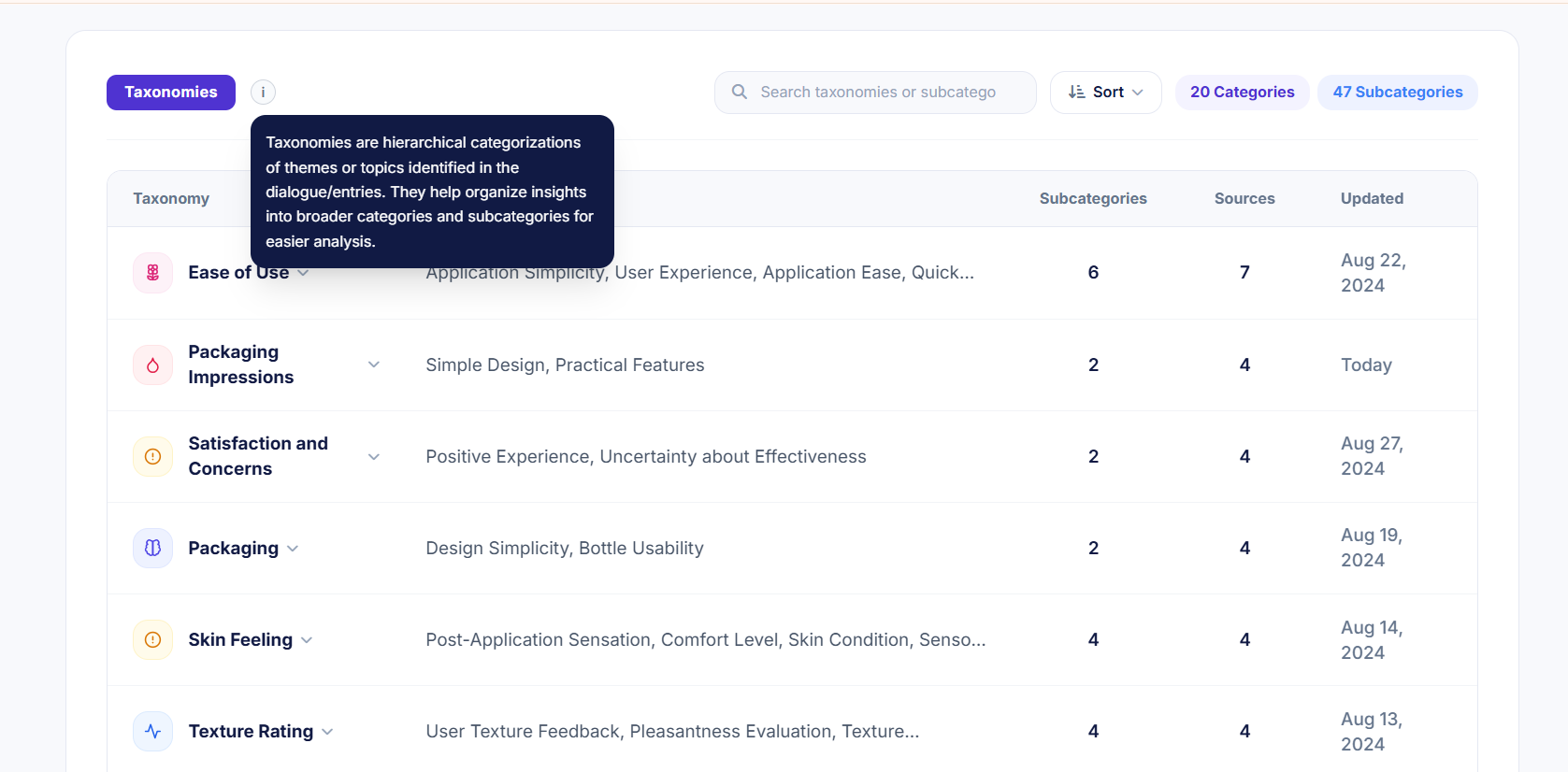
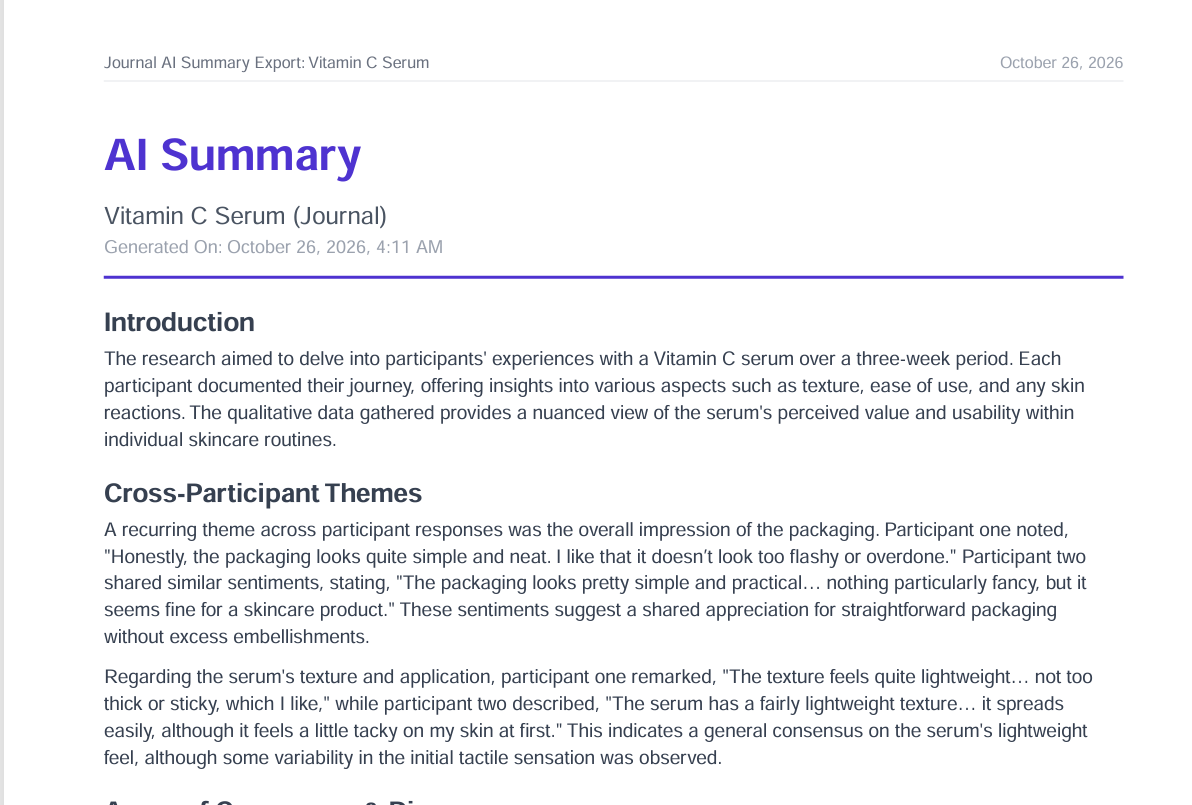
After collecting entries, use AI-powered real-time analysis to identify recurring patterns, sentiments, themes and categories as responses come in. Combine these insights with individual participant examples to understand not only what people experienced but also why those experiences matter to your research objectives.
Step 9: Share Findings with Stakeholders
Present the key findings to stakeholders in a clear and actionable format. Highlight recurring themes, important participant experiences and insights that relate to your research objectives. Use relevant quotes, photos or other supporting evidence to help stakeholders understand the findings and make informed decisions about product improvements, customer experiences or future research, or publish them as branded insight reports.
From Logging Entries to Understanding Choices: The Future of Journal Studies
The future of journal and diary studies is about much more than logging entries. A journal is no longer just a place where people write down what happened in their day. It is a living record of real moments, shared in the way that feels natural to each person, whether that is a few words, a photo, a voice note or a short video.
That is why the choice you make at the start matters. If you are still exploring, an open journal lets people tell you what matters to them. If you have clear questions and want to compare answers, a guided journal keeps things consistent. If you want both, a flexible journal gives you structure with room for surprises. The best method is the one that fits your question, your participants and the answers your team needs.
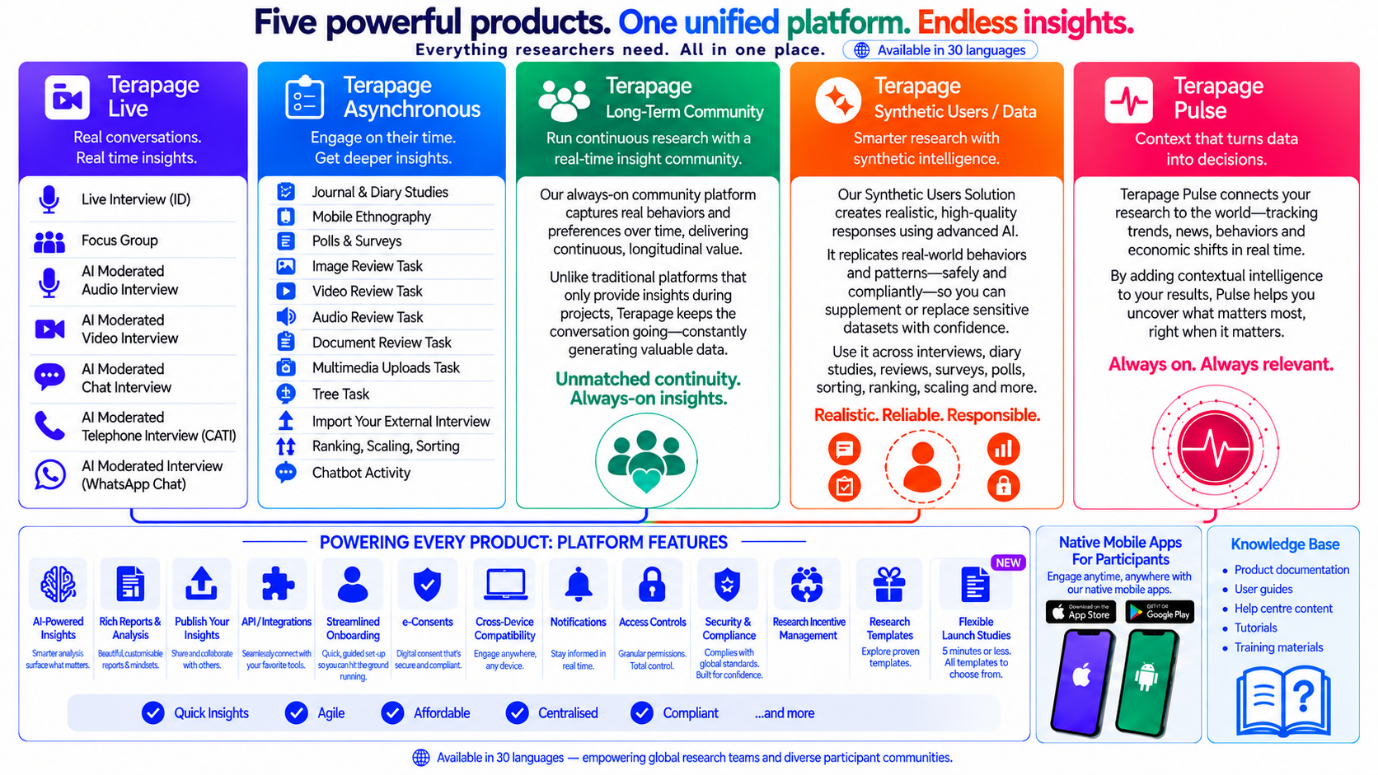
If you want to run a journal study that goes beyond collecting entries, Terapage can help. You can run open, guided and flexible journals in one place, gather text, photos, audio and video, and use AI-powered analysis to uncover themes and sentiment as responses arrive. Book a demo and see how everyday moments can become insights your team can use.
Ready to choose your journal method and launch?
No credit card required. Want help designing your diary study? Our Co-pilot Research Services team can help.